Directed by Bill McLaughlin Cast: Robert Byrne, Sonia Klauber, Michael Langridge, David Pearson, Ken Ratcliffe, John Robb, Julian Tayler, John Whibley
THE AUTHOR
James Saunders (1925–2004) was one of the most distinctive British dramatists to emerge in the late 1950s and became particularly closely associated with The Questors. His early work combined theatrical experiment, philosophical enquiry and an acute ear for the ambiguities of language, leading to his recognition as a British exponent of the Theatre of the Absurd.
Hans Kohlhaas was adapted from Heinrich von Kleist's novella Michael Kohlhaas, itself based on events in sixteenth-century Germany. A horse dealer suffers a relatively minor injustice at the hands of an aristocrat, but when the established authorities repeatedly prevent him obtaining redress, his personal grievance escalates into a violent confrontation threatening two German states and ultimately the Empire itself.
Saunders treated the story experimentally, using a montage of contrasting theatrical styles to explore questions of justice, authority and the point at which resistance to injustice itself becomes destructive.
PRESS RESPONSE
Hans Kohlhaas was unquestionably the critical success of the Festival. Michael Billington in The Guardian called Saunders's adaptation of Heinrich von Kleist's story one of the most Brechtian plays seen for some time and one of the author's best works since A Scent of Flowers. He admired the way Saunders transformed a horse-dealer's apparently private grievance into an examination of the political consequences of denying justice at the most basic level. Michael Coveney in the Financial Times was equally enthusiastic, describing the play as lucid and fascinating and praising its remarkable political seriousness, its theatrical skill and the delicacy of Saunders's writing. Both critics noted occasional complications in its narrative, but regarded these as minor reservations.
The local and specialist press largely concurred. Amateur Stage thought the unusually explicit narrative represented a new departure for Saunders and found the arguments about justice and individual responsibility absorbing, although suggesting that the lengthy play might benefit from cuts. The Middlesex Chronicle called both play and performance remarkable and the acting brilliant, while The Thames Valley Times judged it "by far the best thing" in the Festival and a formidable work of both dramatic and political significance. The Stage, though considering it below the stature of A Scent of Flowers, nevertheless found it impressive. Bill McLaughlin's production in the Stanislavsky Room was repeatedly praised, as was the versatile eight-strong company: Coveney described the direction as exceptional in its restraint and understanding, while Billington considered the entire cast uniformly good.

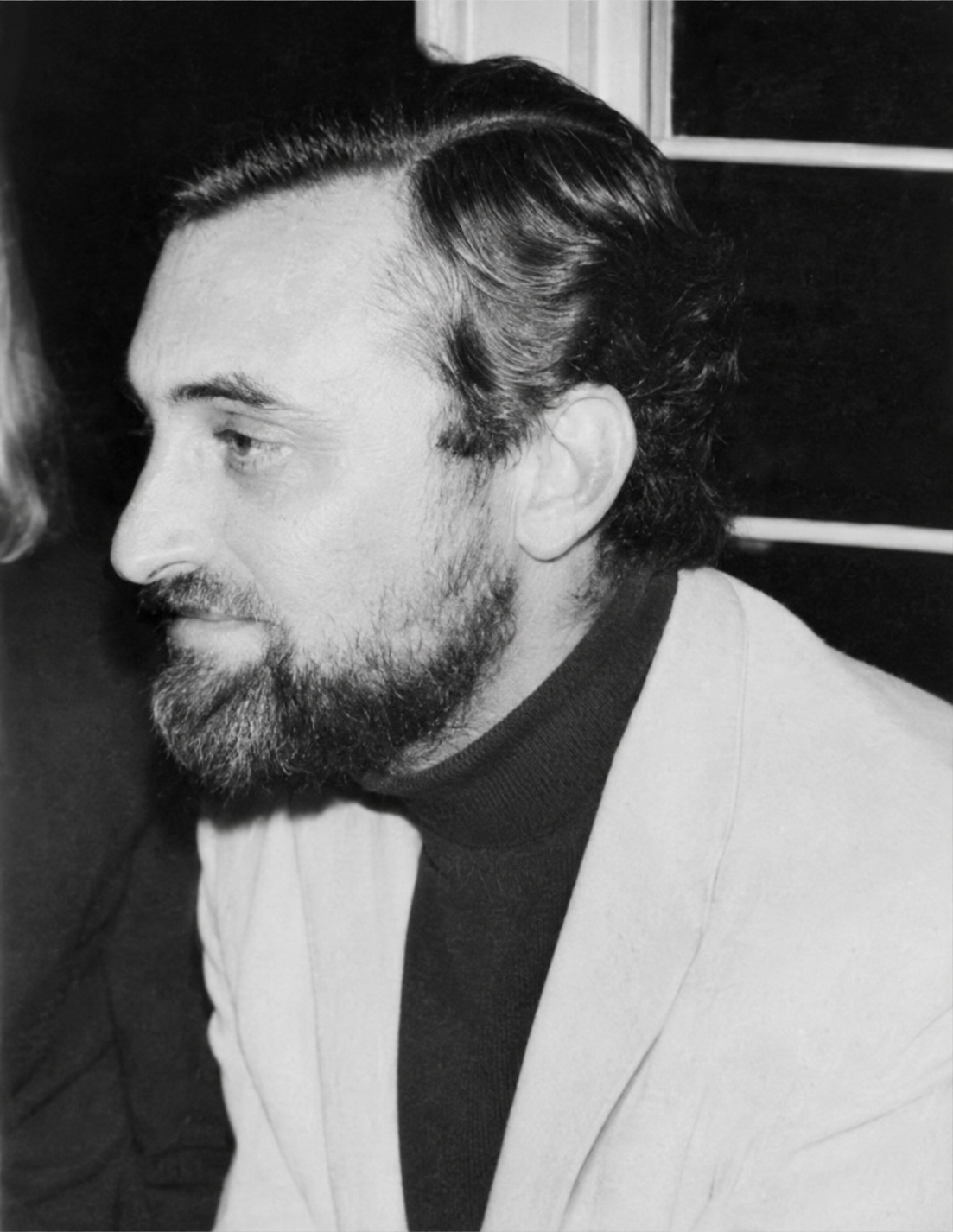 James Saunders (1925–2004) was one of the most distinctive British dramatists to emerge in the late 1950s and became particularly closely associated with The Questors. His early work combined theatrical experiment, philosophical enquiry and an acute ear for the ambiguities of language, leading to his recognition as a British exponent of the Theatre of the Absurd.
 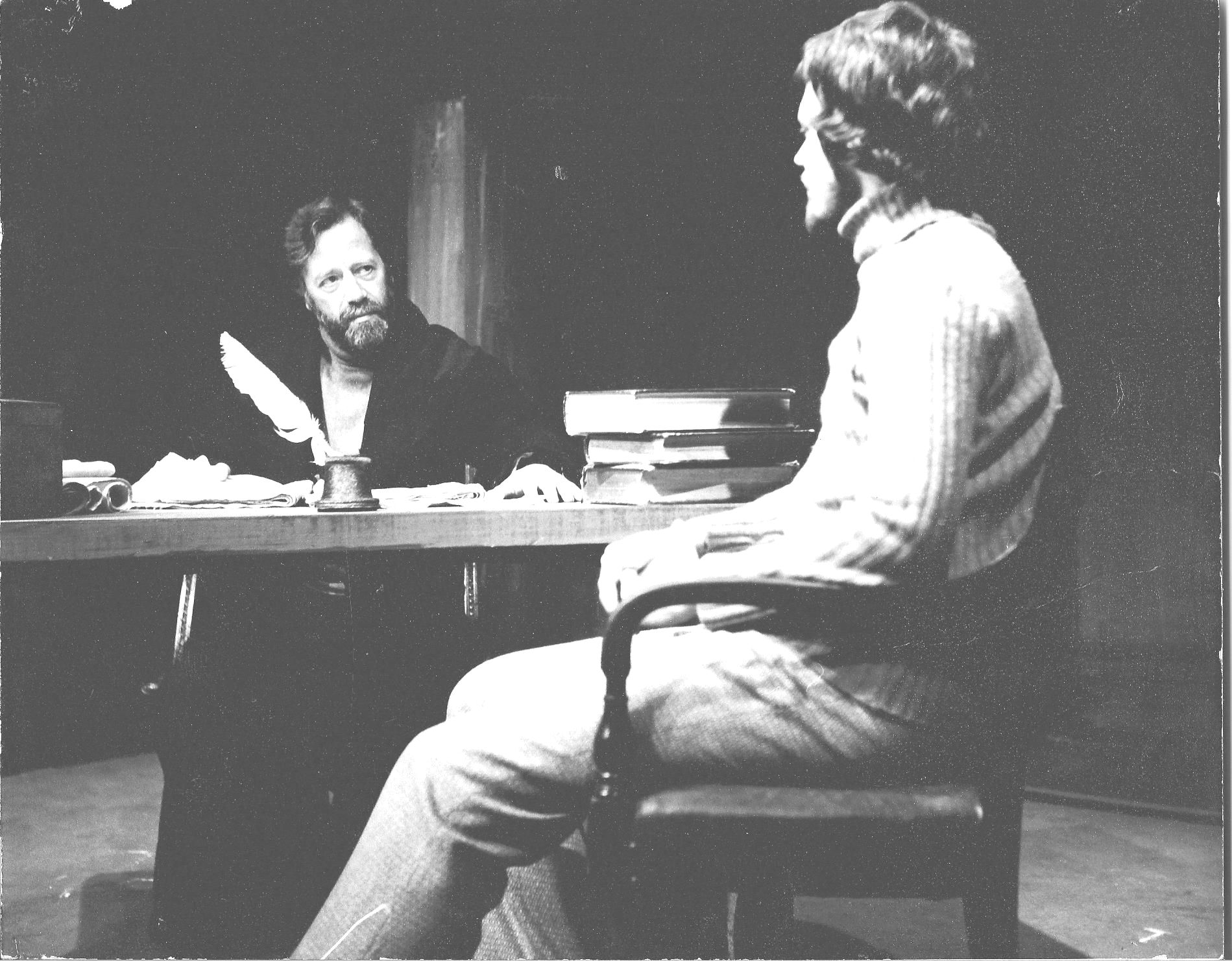 Hans Kohlhaas was adapted from Heinrich von Kleist's novella Michael Kohlhaas, itself based on events in sixteenth-century Germany. A horse dealer suffers a relatively minor injustice at the hands of an aristocrat, but when the established authorities repeatedly prevent him obtaining redress, his personal grievance escalates into a violent confrontation threatening two German states and ultimately the Empire itself.