
WATCH ON THE WORKS
by Pierre Roudy, Cyril Buhler (adaption)
Directed by Carol Wiseman
Cast:
Philip Remington, Donald Starkey
THE AUTHOR
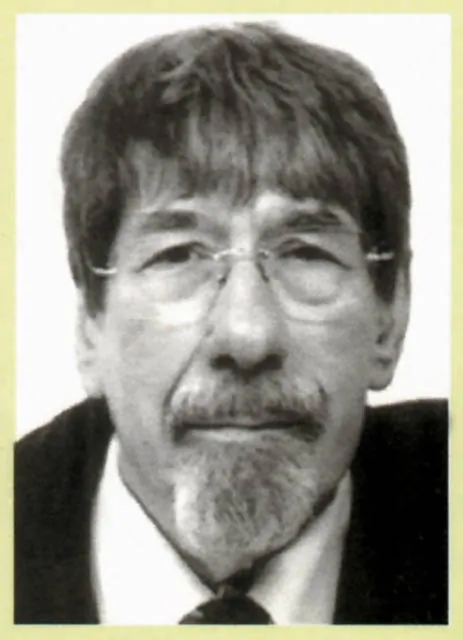 Pierre Roudy was a French playwright, translator and drama teacher who had written radio plays in both French and English. He was also known for translating English dramatists into French, among them Arnold Wesker, and at the time of the 1973 Festival was head of a drama school in Paris.
Watch on the Works, adapted into English by Roudy with Cyril Buhler, was his first appearance in a Questors New Plays Festival.
THE PLAY
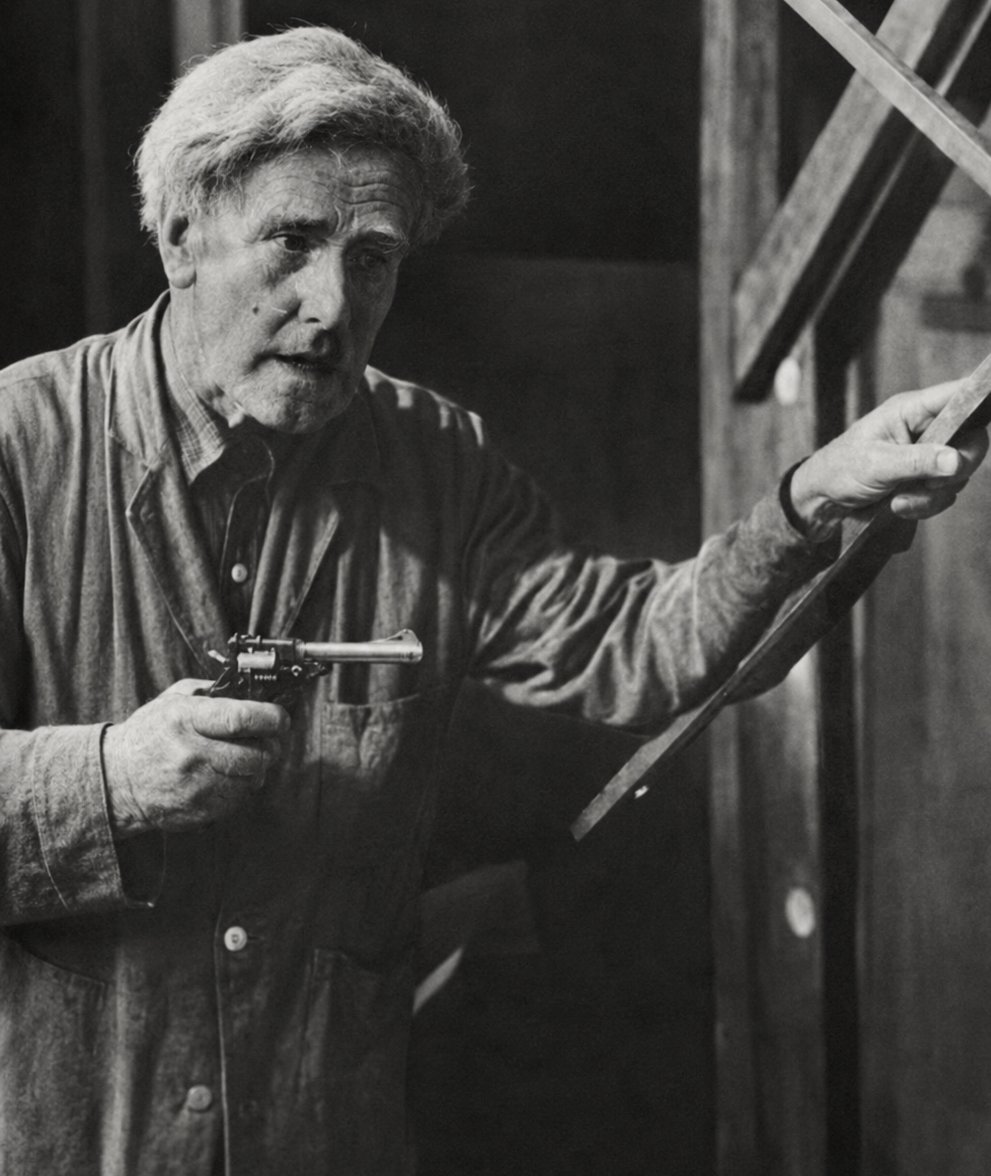 Watch on the Works is a two-hander centred on an elderly watchman whose lonely existence has become bound up with the gas-holder he guards. His wife left him five years earlier and the great industrial structure has effectively taken her place as the fixed point of his life. This private world is disturbed by the arrival of a workman whose apparently simple task is to paint the gas-holder. From that encounter Roudy develops a spare, gently absurdist study of loneliness, obsession and human contact, in which the gas-holder becomes much more than an industrial landmark.
PRESS RESPONSE
Critical response to Pierre Roudy's two-hander was sharply divided. Amateur Stage was exceptionally enthusiastic. What had initially appeared unpromising material—two men and a gasometer—became, in its view, a remarkably rewarding play which explored loneliness, obsession and man's relationship with machinery while remaining sad, moving, startling, funny and consistently entertaining. Particular praise went to Carol Wiseman's imaginative production and Donald Waterhouse's impressive gasometer setting. The Middlesex Chronicle likewise admired the setting and thought Philip Remington and Donald Starkey "most brilliantly" played, although its reviewer admitted difficulty in following both the dialogue and the story, finally describing the piece as weird, unusual and certainly a theatrical attraction. The Thames Valley Times also singled out the throbbing, groaning gasometer and the sinister atmosphere created by the production.
The Stage, however, was much less convinced. Although acknowledging Wiseman's skill in directing the play in the round and the efforts of Remington and Starkey, its critic remained uncertain what point Roudy was trying to make and suspected that much of the original play's subtlety and meaning might have disappeared in translation.
Thus, while there was general admiration for the production, setting and performances, opinion about the play itself ranged from Amateur Stage's considerable enthusiasm to The Stage's bafflement.
Middlesex Chronicle
The Stage and Television Today
Amateur Stage
Thames Valley Times
QUESTORS ARCHIVES
WATCH ON THE WORKS