
CRINCUM CRANCUM
by John Norman
Music by Don Kincaid
Directed by Robin Duval
Cast:
Nigel Ackell, Patrick Bacon, Anthony Barber, Jeff Burke, David Goodger, Craig Hartley, Laurence Irvin, Judy Lane, Duncan Livingstone, Donald Mackay, Gillian Macmanus, Tom Pritchard, Peter Sainty, Brian Taylor, Geoff Webb, Peter Whelan, Ffrangcon Whelan, John Wilbourn, Tony Worth, Grant Wright
THE AUTHOR
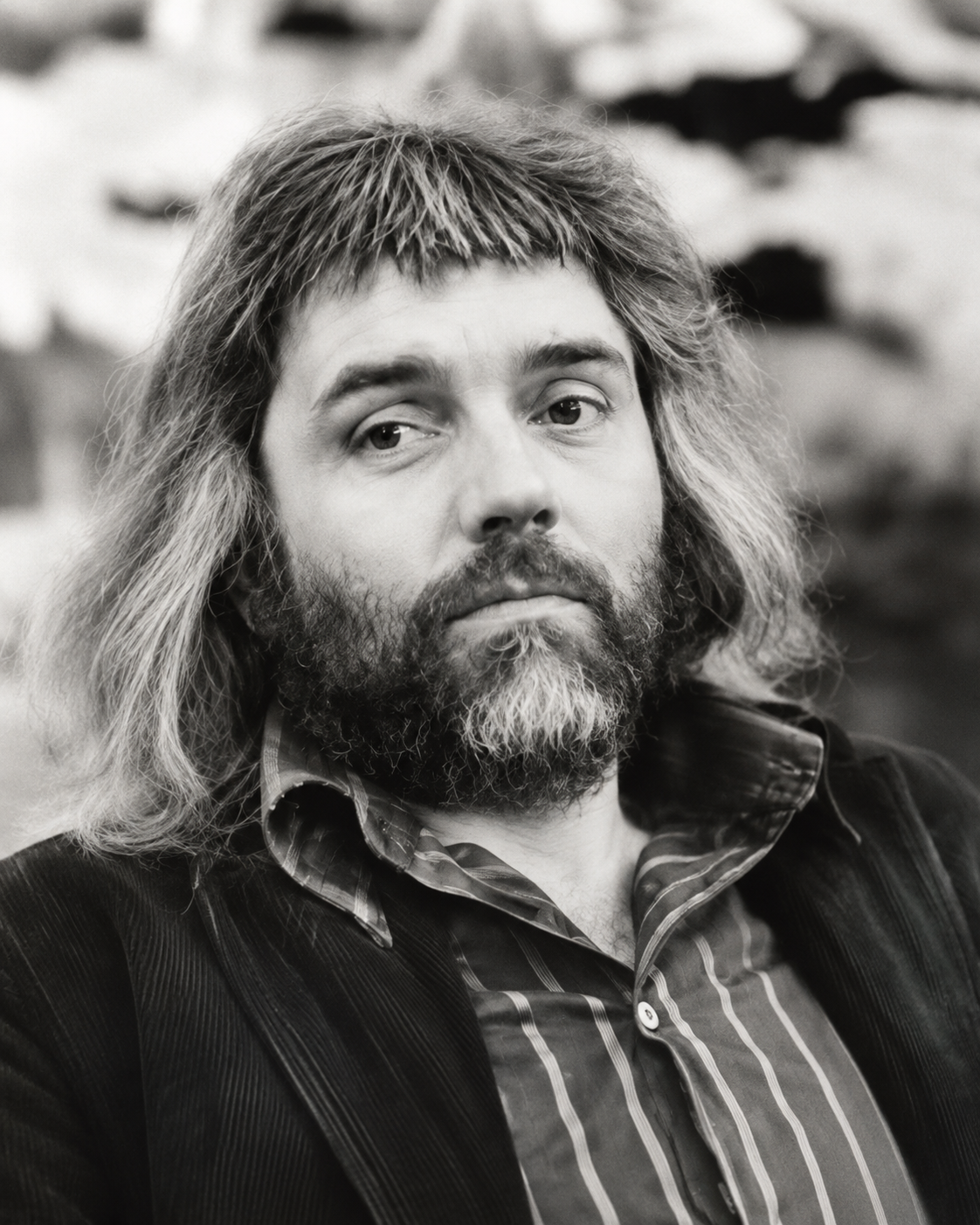 John Norman was born in Plaistow, London, in 1935 and left school at seventeen. After National Service he pursued a varied succession of occupations, including work in the docks, as a ship’s agent, for a national newspaper and as reader to a blind writer in Italy. By 1973 he was living in Canterbury, dealing in antiquarian books and concentrating on writing.
Although Crincum Crancum was his fifteenth play, it was the first to receive a full production in the 1973 New Plays Festival. The Questors subsequently presented The Owl-Winged Faculty in the 1974 New Plays Festival and Agitator in 1976. His association with the theatre continued in 1980 with a programme comprising Afternoon, Edward and Anna and Mr Smith.
THE PLAY
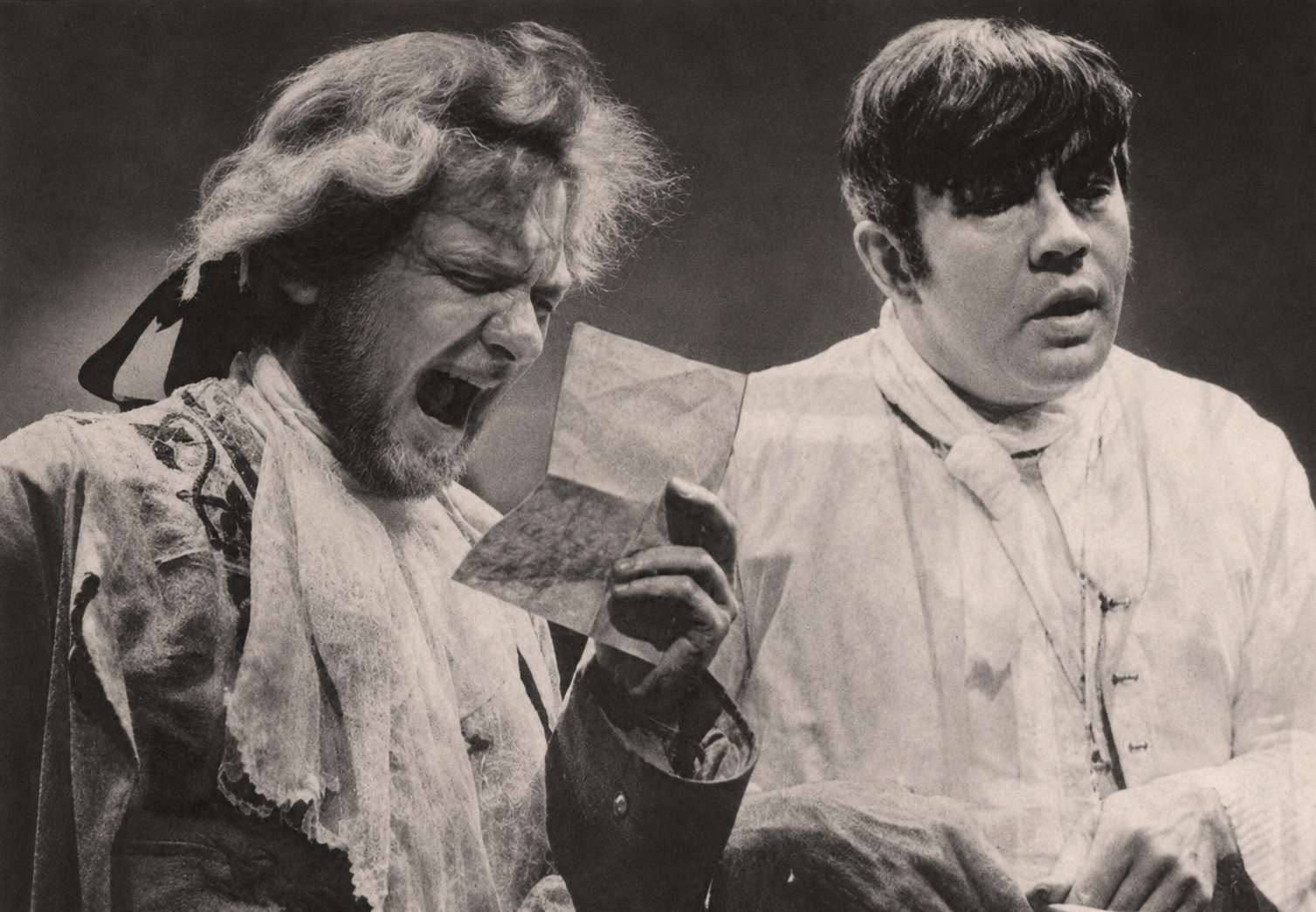 Set in England between roughly 1795 and 1815, Crincum Crancum takes place against the turbulent aftermath of the French Revolution: a prosperous country simultaneously gripped by fears of French invasion, Irish rebellion and revolution at home, with a monarch periodically incapacitated by mental illness. At its centre is Dr Jenkin Jones, a humane and essentially moderate man caught in a society whose politics have become dangerously polarised. Drawn inexorably towards violence for which neither temperament nor experience has equipped him, he moves through a succession of increasingly strange and disturbing encounters.
With some fifty characters and eleven scenes, Norman turns the period into a sprawling historical nightmare in which reality, dream and political terror continually overlap.
PRESS RESPONSE
John Norman's ambitious historical play was generally regarded as the major achievement of the Festival, although it had one emphatic dissenter. The Brentford & Chiswick Times—in a review also carried, with minor differences, by the Thames Valley Times—called it "certainly the most impressive play of the festival", admiring Norman's remarkably authentic but unaffected period dialogue and his gallery of vivid characters. Robin Duval's direction was especially praised for giving cohesion to the deliberately fragmented structure and for creating, through simple staging and stark lighting, a powerful sense of conflict between the affluent classes and an increasingly discontented population.
The Stage similarly admired Norman's ability both to write dialogue and to communicate large quantities of historical information without making the audience conscious of being instructed. It found his George III particularly convincing and moving, and admired the elegant, almost Brechtian production, although it thought the script could have been further shortened and felt that the central doctor's predicament was so archetypal that the characters sometimes became two-dimensional figures in a historical shadow-play.
Maurice Reeve in the Middlesex Chronicle dissented strongly, dismissing the play as a "hotch-potch of incomplete and uncoordinated scenes", though even he acknowledged the effectiveness of the Questors' large stage and Duncan Livingstone's assured central performance.
Despite this objection, the balance of critical opinion clearly favoured Crincum Crancum as the Festival's most substantial and impressive work.
Brentford and Chiswick Times
Middlesex Chronicle
The Stage and Television Today
Thames Valley Times
QUESTORS ARCHIVES
CRINCUM CRANCUM