
QUESTORIES
How It All Began
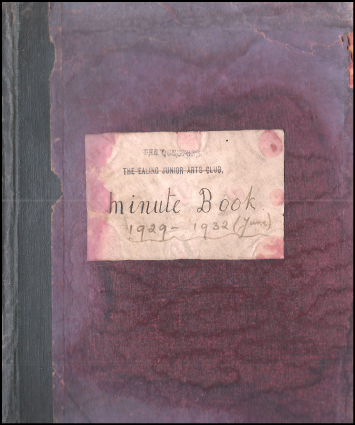
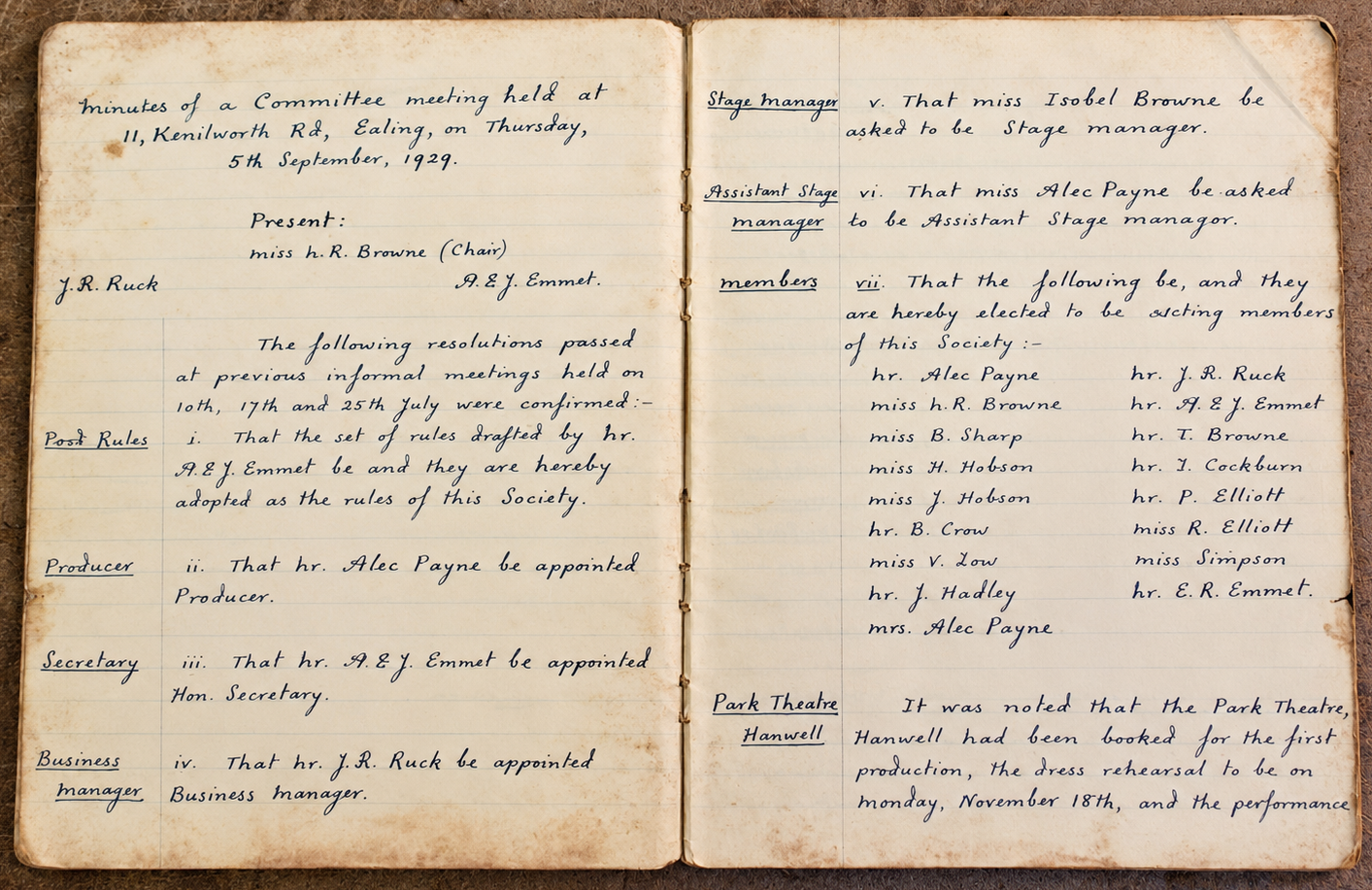
On 5 September 1929, 17 enthusiastic young people, some of whom had previously acted together in local amateur productions in and around Ealing, formed a new theatre group.
Founding member Alfred Emmet recalled:
“Being all very young at the time, we had very big ideas. A dramatic society was to be only one part of a larger new local organisation, and so we solemnly christened ourselves The Ealing Junior Arts Club (Dramatic Section). This was of course a great impertinence on our part because it was done without any reference to the well-established and active Ealing Arts Club which, not unnaturally, took considerable exception. So the name had to be changed, and at an historic meeting over lunch in a Soho Restaurant one Sunday in November, it was decided, for no particular reason except that by the coffee stage no-one had thought of anything better, to change the name to The Questors’.”
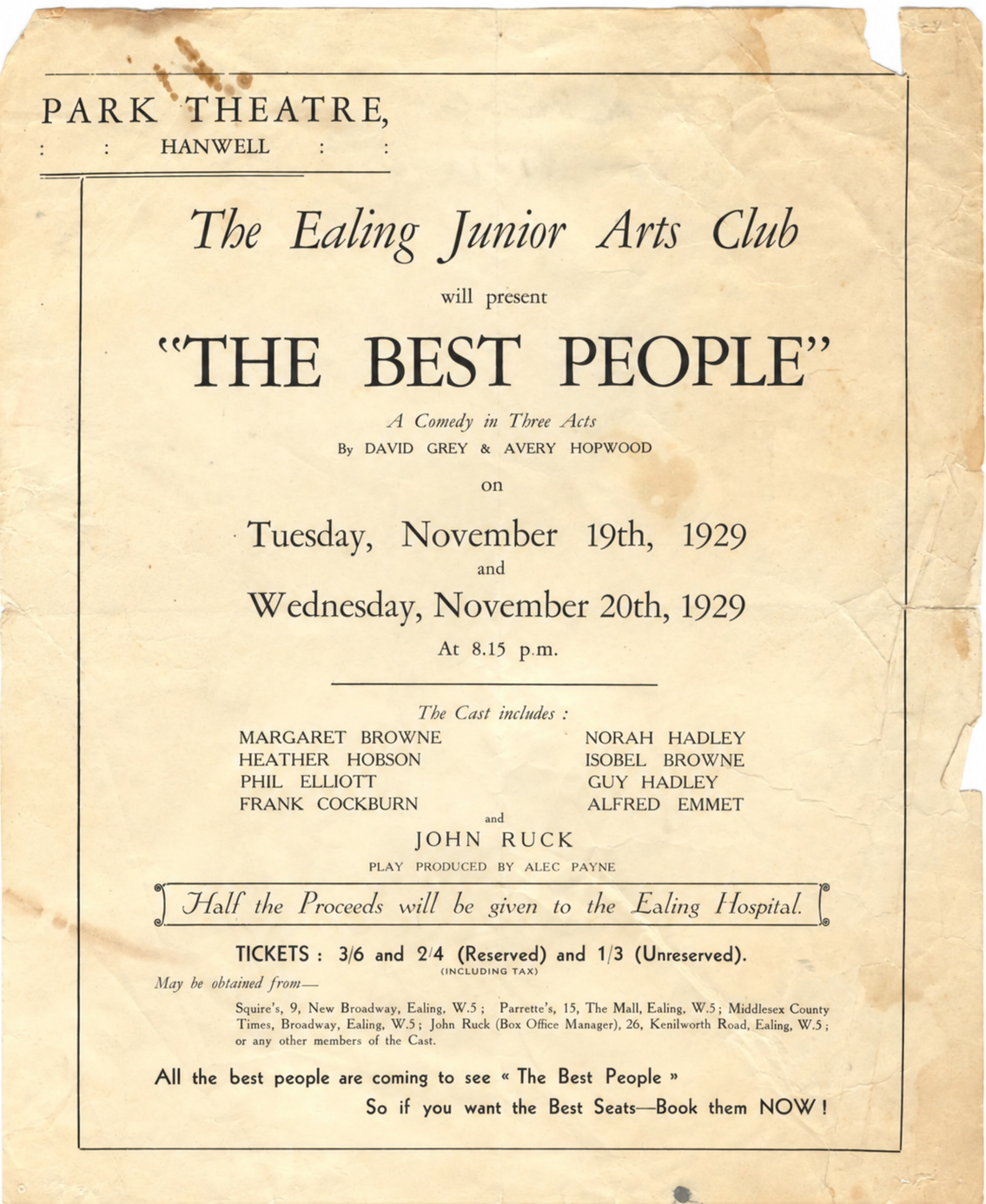
The Park Theatre, Hanwell
The Questors’ very first production, The Best People, was staged at the Park Theatre in Hanwell. The Business Manager (John Ruck) was not authorised to incur expenditure exceeding £1, but the Committee eventually ratified the princely sum of £2.19s. 0d to cover the cost of this first venture.
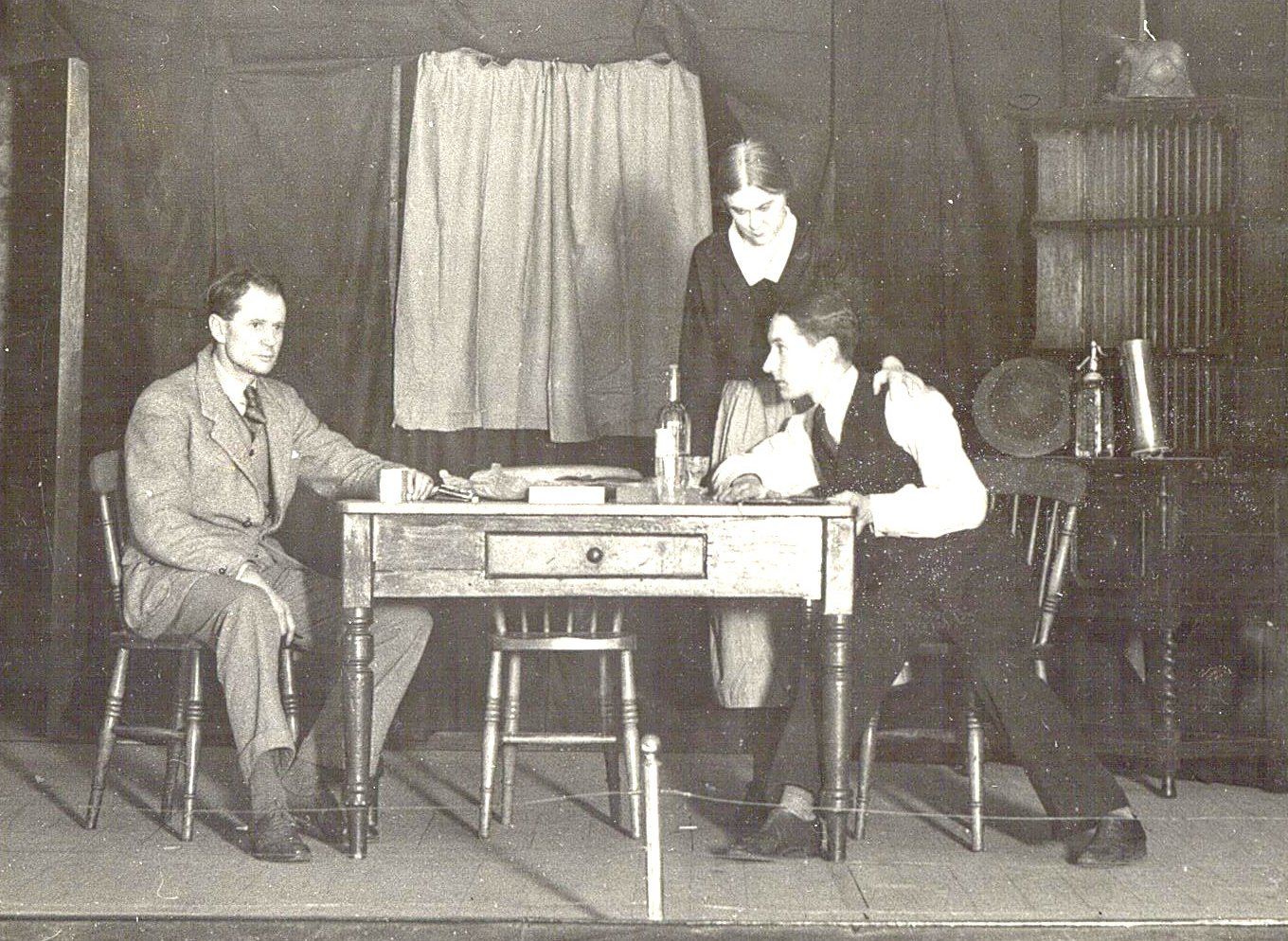
The Questors continued to use the Park Theatre for the next two productions, Noel Coward’s I’ll Leave it to You, and a triple bill of plays including The Road of Poplars, which, said Alfred, “was destined to trigger an early change in the whole direction and policy of the club.” The production was entered in the 1931 British Drama League Festival and its success led to the establishment of The Questors policy of presenting only plays regarded as worthwhile.
St Martin's Hall, Acton
Despite these artistic success, the group had been persistently losing money. I’ll Leave it to You in particular made a heavy loss, leaving the club £8 in debt and every member who had participated in that show was asked to contribute 10/- to keep the enterprise solvent! A cheaper venue had to be found and in 1931 the productions transferred to St Martins Hall in Acton.
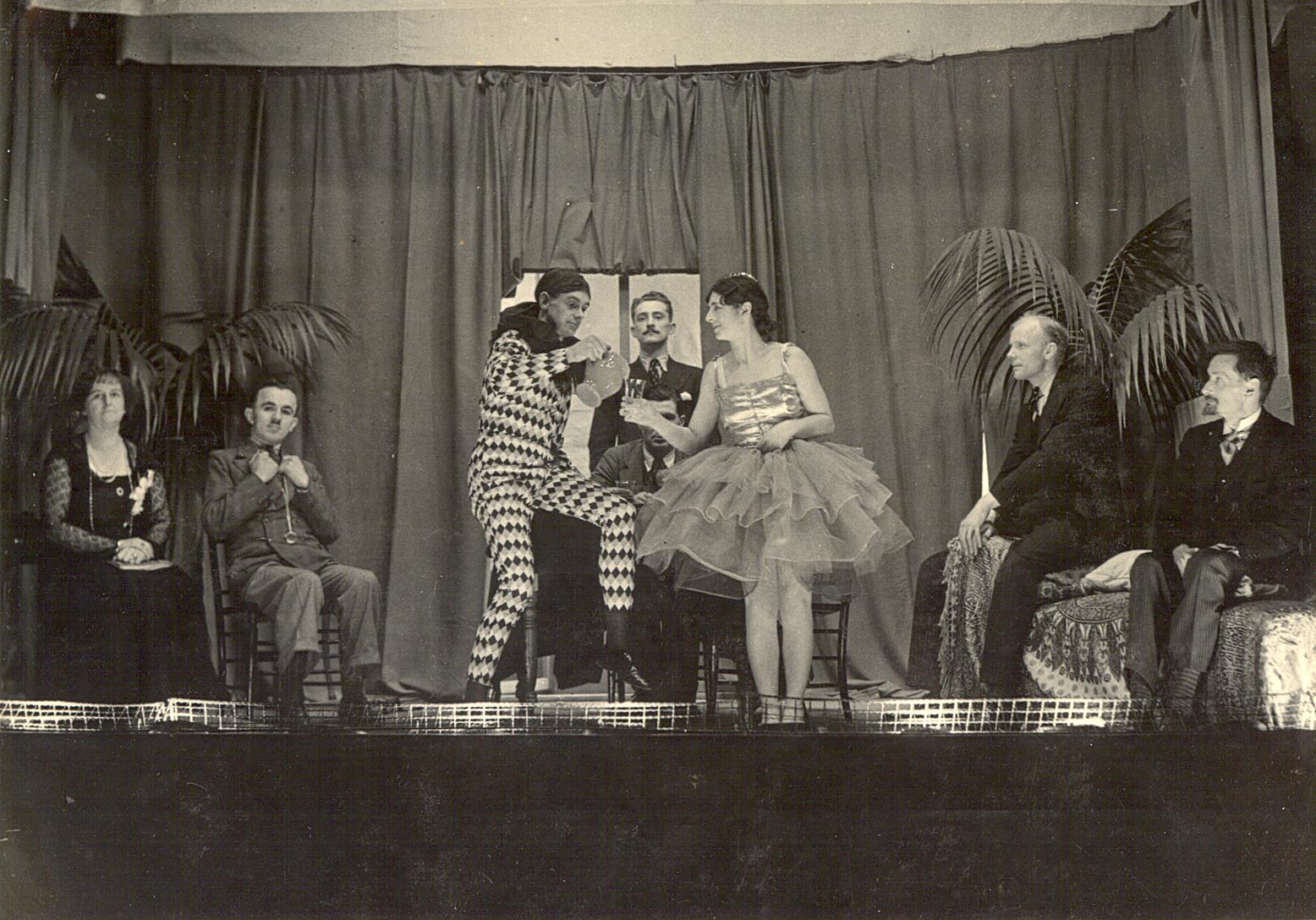
Productions still made losses however and within a year it was crunch time again. Nonetheless, an historic meeting of the Acting Members held on 24th May 1932 decided to carry on. From this meeting also grew the tradition of co-operation and team-work which has helped the Club through so many difficult periods since. Financially, the Club was saved that year by ‘‘an anonymous friend who had faith in The Questors’’ and who donated £5.
Having declared its policy of doing only those plays it regarded as worthwhile, The Questors in choosing Bernard Shaw’s You Never Can Tell for the Autumn 1932 production, felt compelled to apologise in the programme for presenting such a ‘commercial’ piece of theatre,!
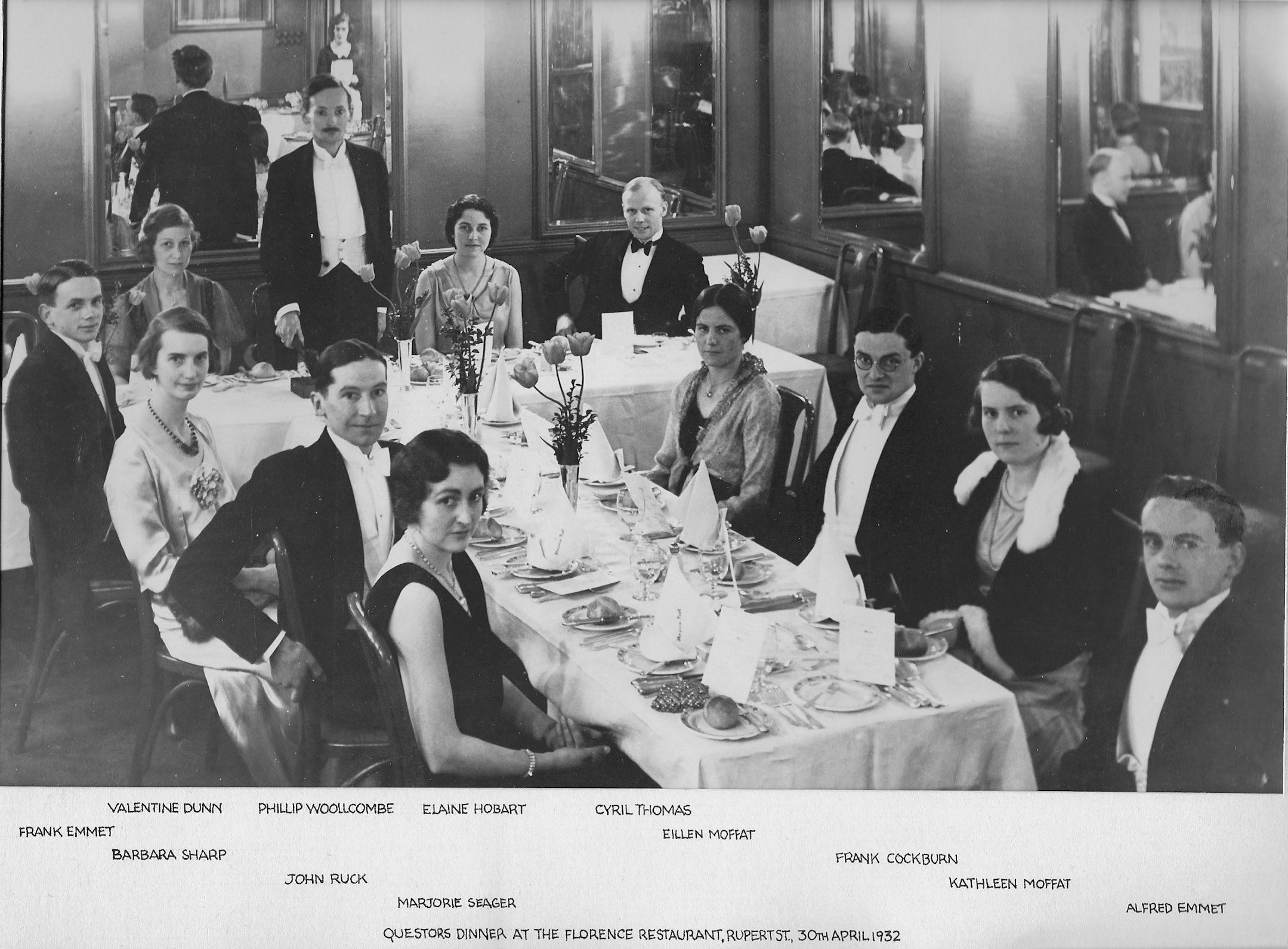
This led to the following review in the West Middlesex Gazette: “Here then, is a dramatic society that exercises a censorship over playwrights, producers, financiers and everyone else connected with the theatre. Arrogant? Perhaps. Bold'? Yes. Refreshing, too, to find a society that can give sound reasons for producing a certain play.’’
Mattock Lane
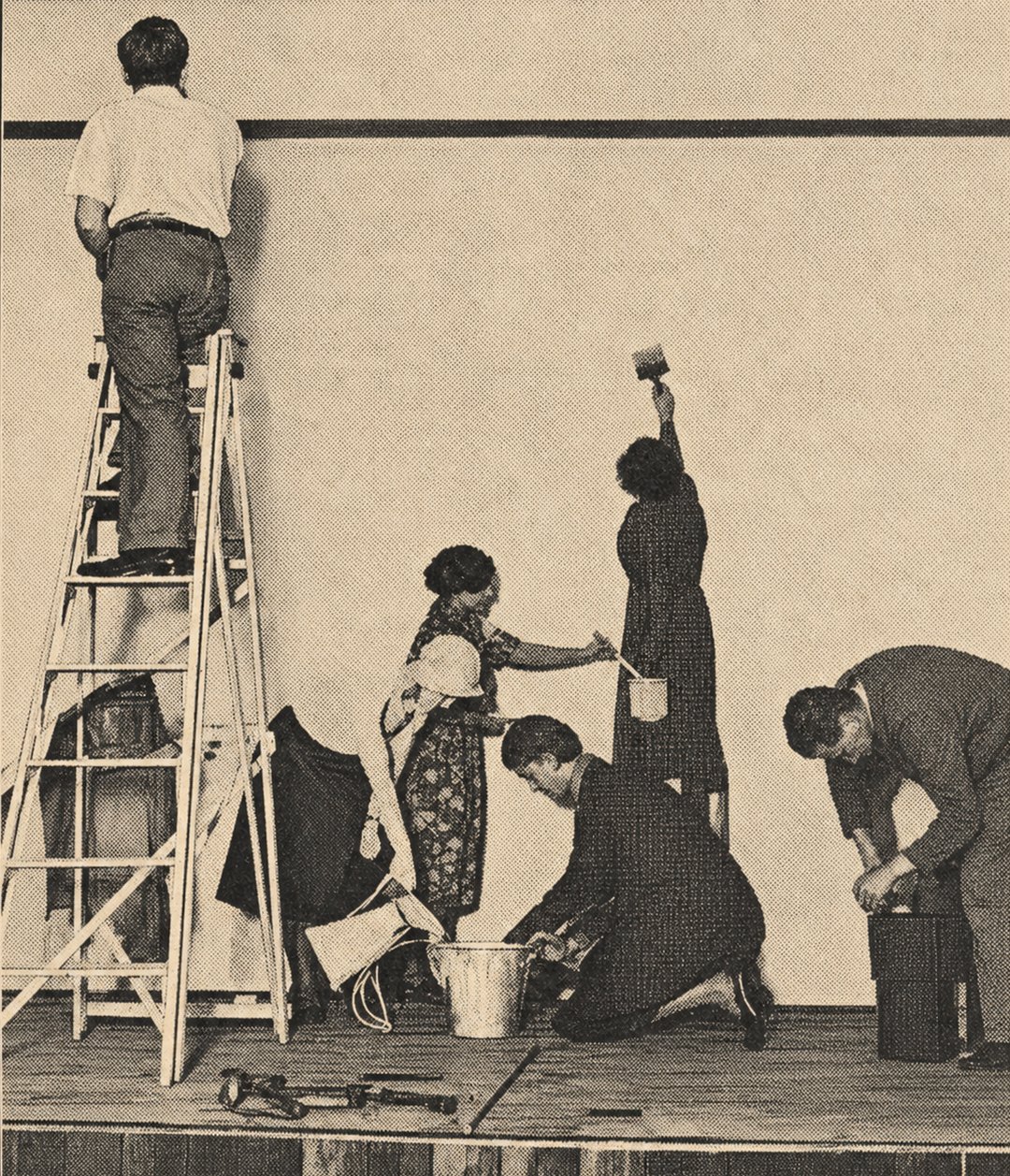
Four years after its foundation, with the finances still precarious, the club began to look around for premises of its own. After exploring an opportunity with the Girl Guides Association in Warwick Road, The Questors finally joined the Ealing Boy Scouts in their premises at 12 Mattock Lane — a disused Catholic church which had been built in 1896 in the grounds of a large Victorian house, Mattock Lodge.
In June 1933 The Questors moved into the “Iron Church” and worked all summer to build and equip the stage, install the lighting system, hang curtains and so on, at a total cost of £75.
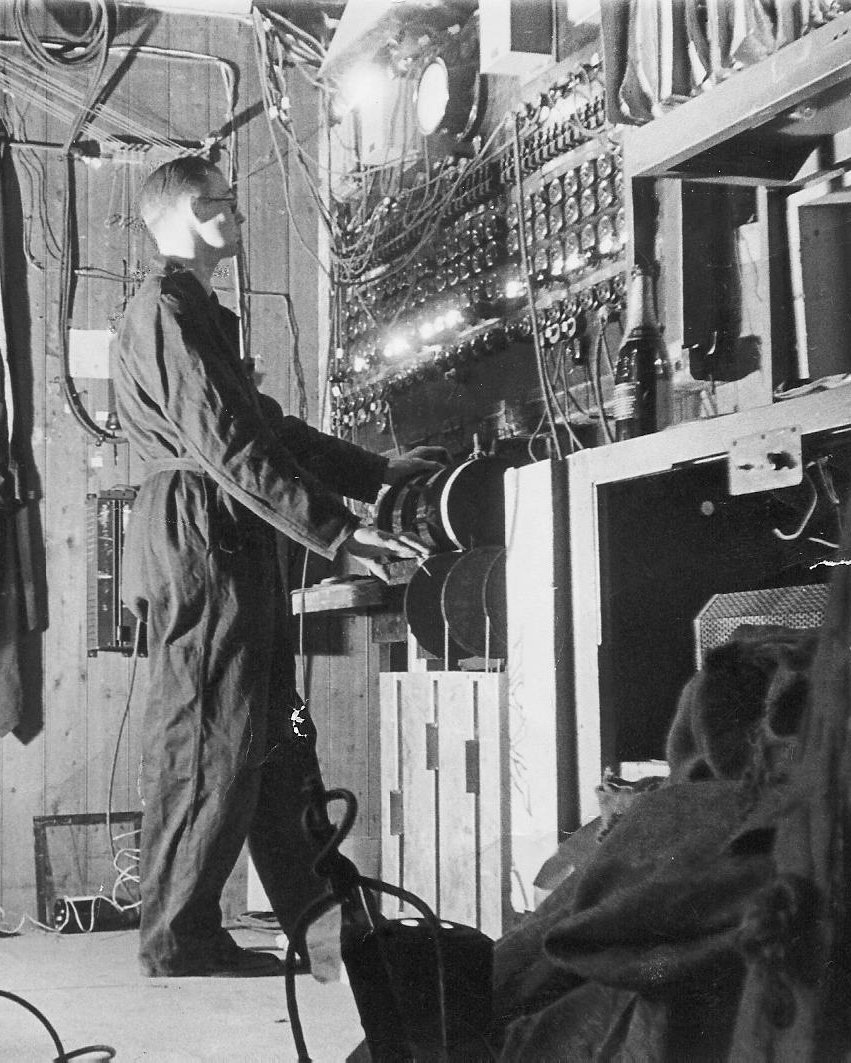
We had the great advantage of advice on the stage lighting installation by Frederick Bentham, then a young enthusiast carrying out experiments in a model theatre in a back bedroom of his parents' house in Willesden, but later to become the doyen of stage lighting in the British Theatre. At his instigation we installed a simple cyclorama, and also dispensed with footlights, an almost unheard-of step at that time. Although it was not the intention, the latter innovation led directly to the possibility of experiment in the use of a forestage.
On October 14th 1933 the first Questors Theatre officially opened with speeches and a demonstration of the then highly advanced stage lighting system, devised by Frederick Bentham, which was revolutionary in many ways, not least in its absence of footlights.
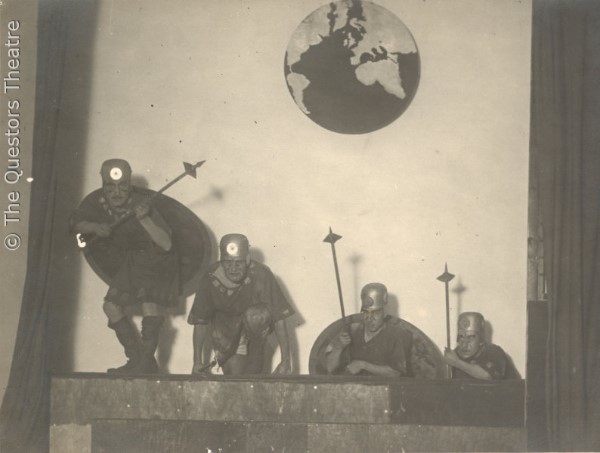
The first production, which opened on 6th December 1933, served notice of things to come by presenting the English premiere of an experimental new play by Shirland Quin, Dragons’ Teeth, ‘‘undoubtedly the most experimental work done by a London society in recent months, if not years”, according to The Amateur Theatre.
John Dobson
September 2026