
SEAGULL RISING
by A.E.Ellis
Directed by Ron Bloomfield
Cast:
Diana Benn, Derek Chandler, Christine Curran, Tegwen Evans, Peter Field, Val Fitzpatrick, Ken Ratcliffe, Ted Scrivener, Wilfrid Sharp, Philip Sheahan
THE AUTHOR
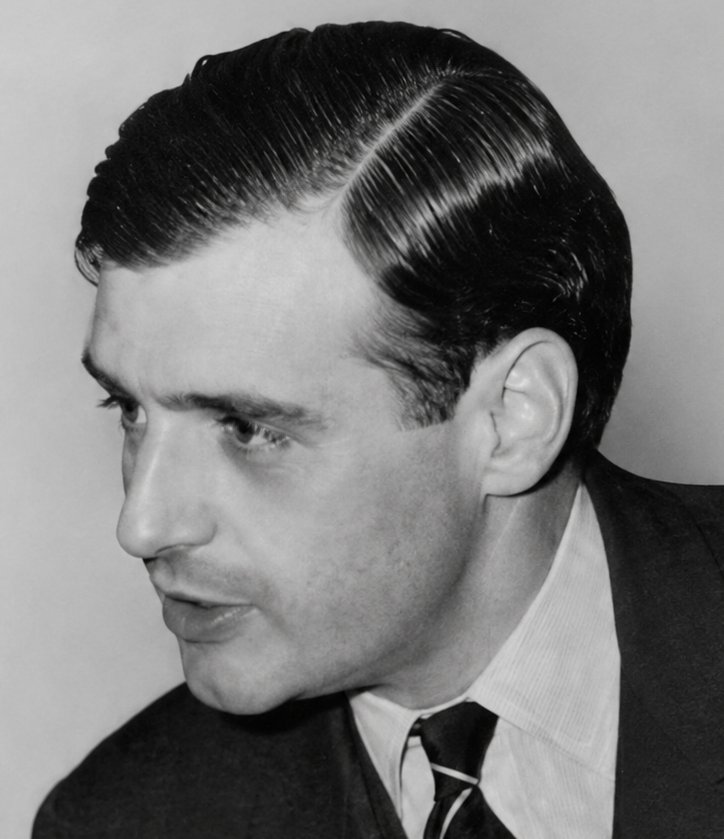 A. E. Ellis was the pseudonym of Derek Lindsay (1920–2000), novelist and playwright. After wartime service and study at Oxford, Lindsay contracted tuberculosis and spent several years undergoing treatment in an Alpine sanatorium, an experience which inspired his only published novel, The Rack (1958). The book was exceptionally well received, with Graham Greene ranking it among the great novels of its kind, and was later reissued as a Penguin Modern Classic.
Ellis subsequently concentrated increasingly on drama. His controversial Grand Manoeuvres was produced at the National Theatre in 1975, and Seagull Rising was written while that production was being negotiated. At the time of the Festival he was continuing to write plays and working on a history of the Dreyfus Affair.
THE PLAY
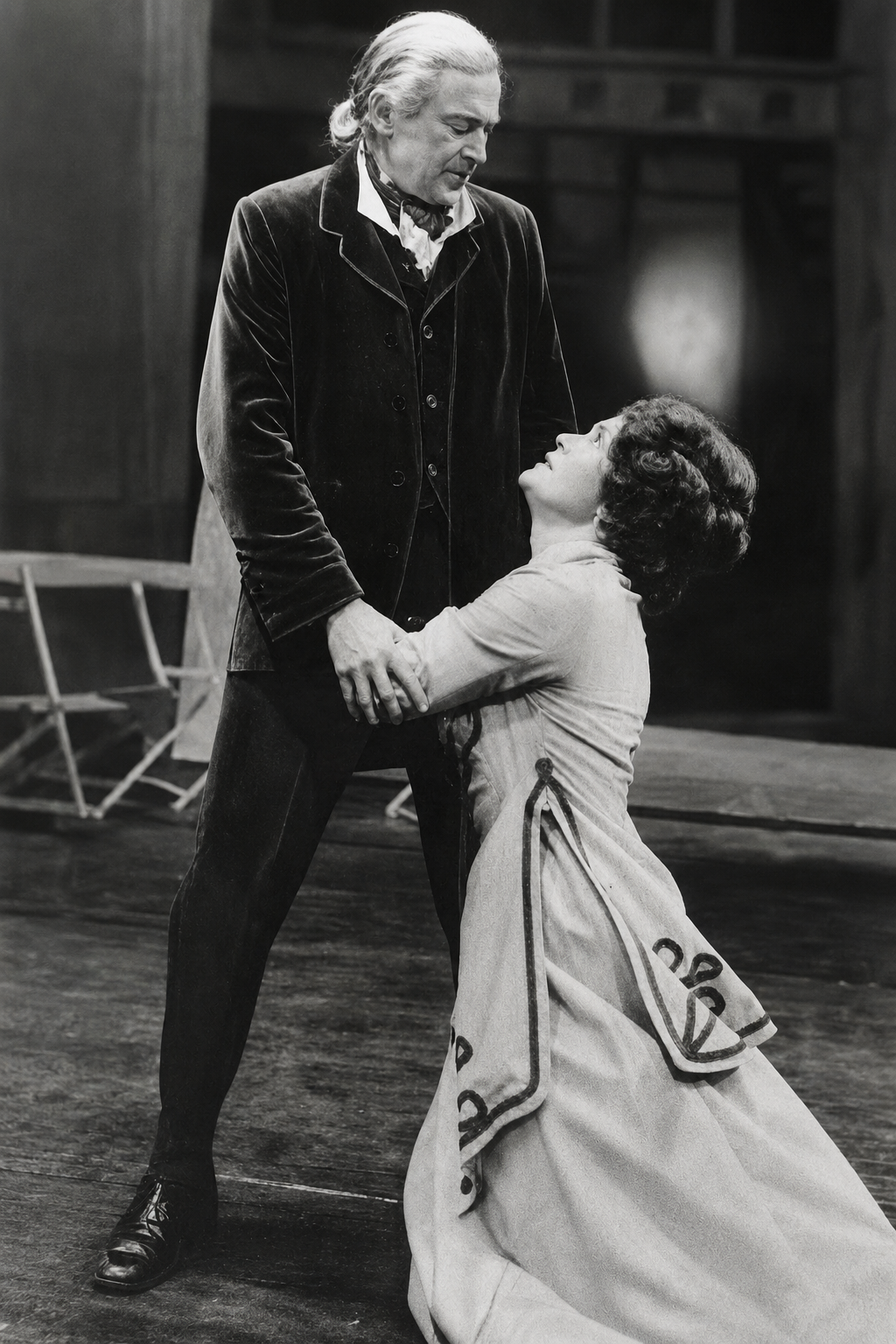 Seagull Rising takes the characters and situation of Chekhov’s The Seagull and imaginatively reshapes them, exploring incidents, relationships and motivations which Chekhov either left unstated or might conceivably have treated differently. Ellis described himself as both fascinated and frustrated by the original play and used his version to investigate what lies beneath the characters’ behaviour. Although its opening and closing speeches are taken directly from Chekhov, the remainder is Ellis’s invention. The play is particularly concerned with the roles and emotional games people adopt in life, the way those patterns are repeated between generations, and the uncertain boundary between reality and performance. The result moves deliberately between comedy and tragedy while remaining sufficiently independent of Chekhov to stand as a play in its own right.
PHOTOS
PRESS RESPONSE
The reviewers agreed that A. E. Ellis’s reworking of Chekhov was an ambitious but ultimately unsatisfactory experiment. Michael Coveney in the Financial Times considered it an “intelligent, if dour” response to The Seagull, but found the rewritten action increasingly melodramatic and the experiment finally devoid of “resonance or real creativity”. Claudia Cooke, writing in both the Ealing Gazette and Shepherds Bush Gazette, was more emphatically disappointed: the succession of plays within plays bemused her “to the extent of boredom”, while the introduction of farce destroyed the possibility of either genuine humour or tragedy.
Kitharistes in Questopics was considerably more receptive to the first two acts, enjoying the piece as a comic melodrama filled with extravagant clichés and detecting an amusing underlying suggestion that life itself was only a drama. The last act, however, was thought to descend into predictable and tedious bathos, leaving the stuffed seagull and several of the characters dramatically underused.
The acting received a warmer response than the play. Cooke praised Wilfrid Sharp, Ted Scrivener and Ken Ratcliffe, though she found Peter Field unconvincing and Diana Benn inclined to overact; Kitharistes, by contrast, declared the acting “a joy”, singling out Field, Sharp, Ratcliffe and, above all, Benn’s “virtuoso performance”. Coveney likewise conceded that the production was decently acted and staged.
The Financial Times
The Shepherds Bush Gazette
Questopics
QUESTORS ARCHIVES
SEAGULL RISING