
QUESTORIES
PlayBack: A Theatre of Living Memory
The history of a place is often recorded through its buildings, institutions and public events. But there is another history, preserved in people's memories: the experience of everyday life, of work and leisure, of families and communities, and of a world that is constantly changing.
For more than thirty-five years, The Questors' PlayBack group has been collecting those memories and bringing them to life on stage.
From Memory to Performance- Soapsud Island
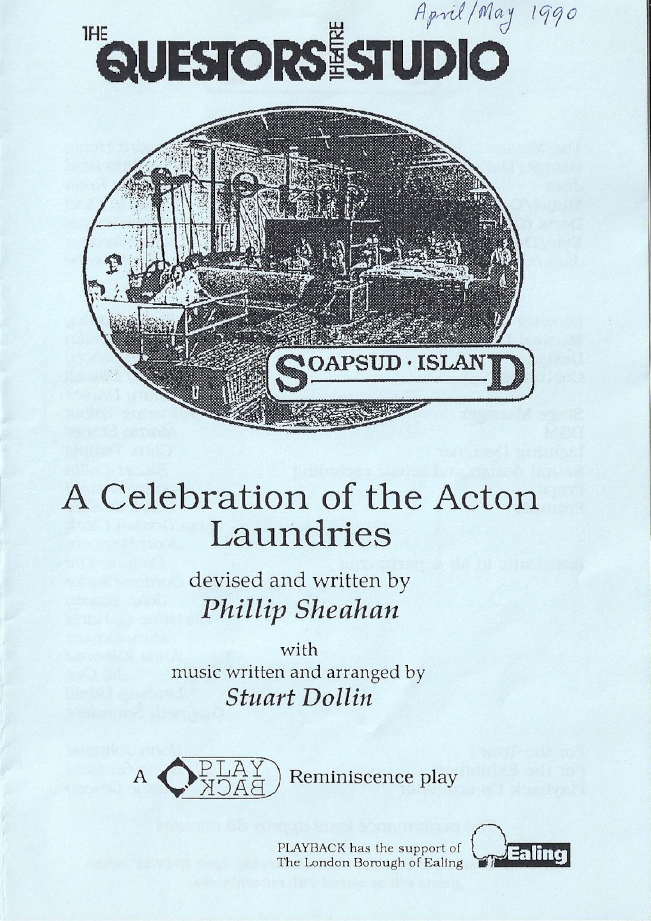
PlayBack was established in 1989 as a new venture in reminiscence theatre. Its starting point was not a script but the memories of local people, gathered through recorded interviews. These were transcribed and passed to writers, who shaped them into plays, drawing on the personal recollections, language and experiences of those interviewed.
It was a painstaking process. Researching, recording, transcribing and creating a play could take as long as eighteen months.
The first production was Soapsud Island in 1990, exploring the remarkable history of Acton's laundries, which had once made the area famous as London's 'washtub'. Memories of the people who worked there brought to life not only the industry itself but also the social divisions and working conditions of an earlier generation.
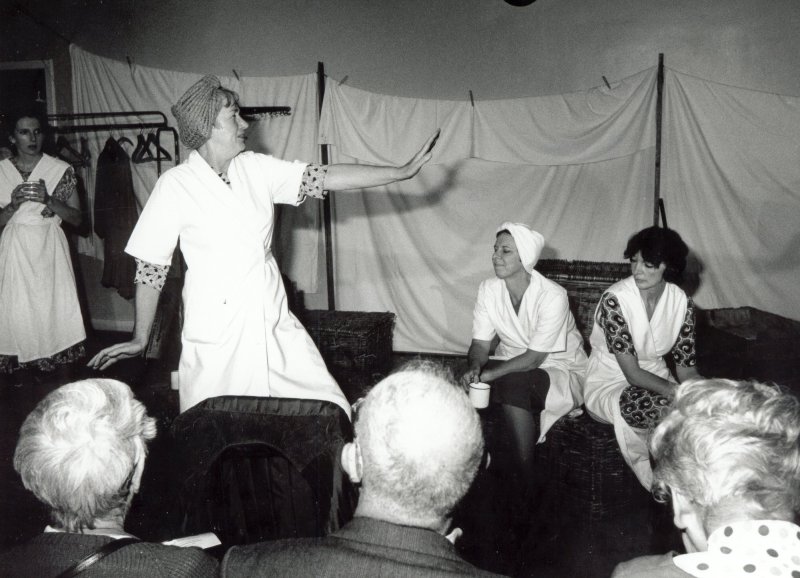
The production was presented in the Questors Studio before being taken to local community venues. This became an essential part of PlayBack's work: returning the stories to the people and communities from which they had come.
The performances were followed by informal discussions, when audiences were encouraged to contribute memories of their own. In this way, PlayBack's work could continue even after the performances had ended.
All Aspects of Local History
Over the following decade PlayBack explored a remarkable variety of subjects, each revealing something of West London's social history.
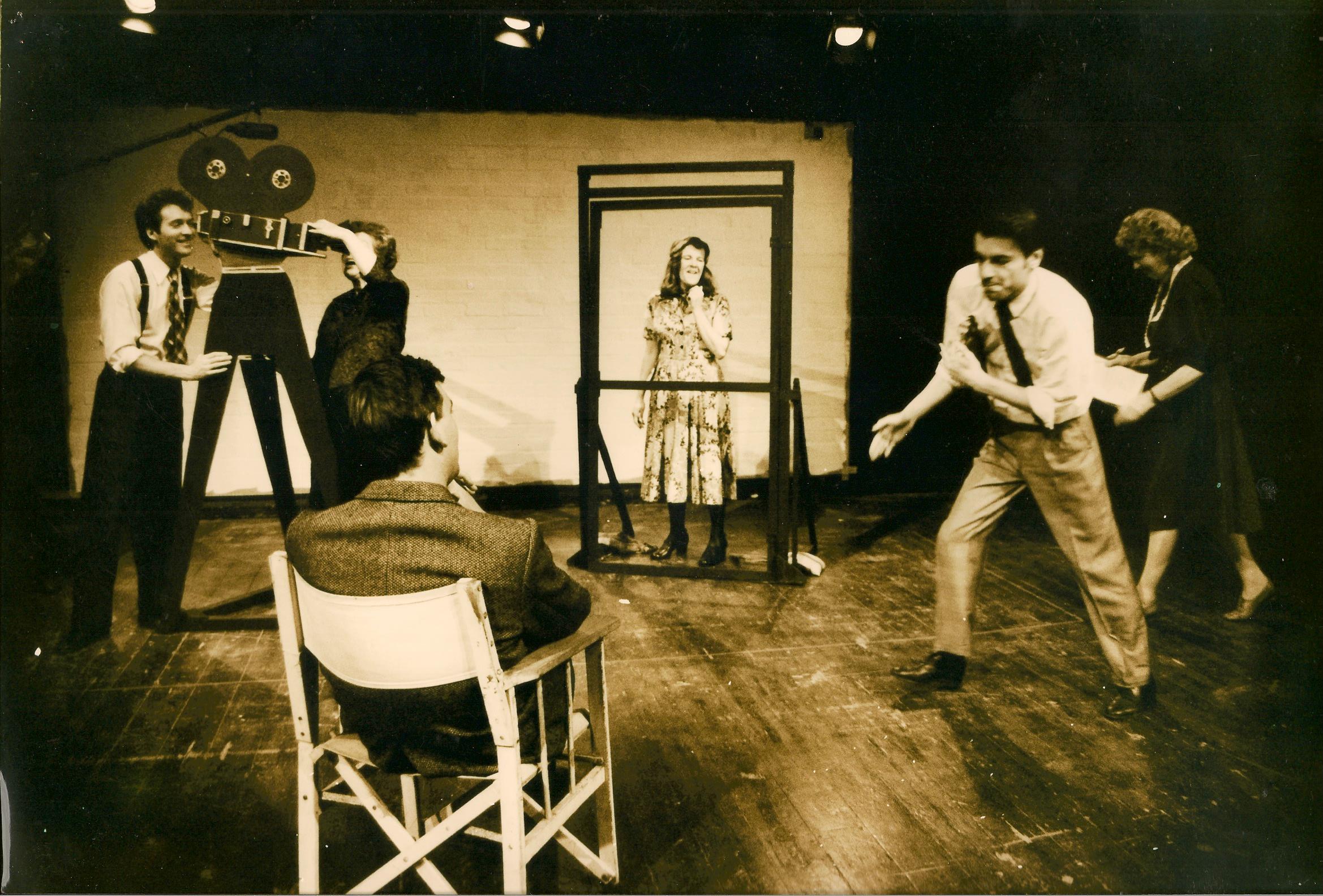
The Cuckoo School (1991) recalled life and education at Hanwell's Poor Law School. Kind Hearts and Comedies (1993) turned to the great days of Ealing Studios under Michael Balcon, while Rhythm of the Road (1995) explored the popularity of cycling between the wars, when cycling clubs provided opportunities for recreation, travel and social life.
Two more productions completed this first sequence. From Cradle to Grave (1997) examined the Co-operative movement and its place in people's lives, while First Post to Last Pint (1999) drew on memories associated with Ealing Green.
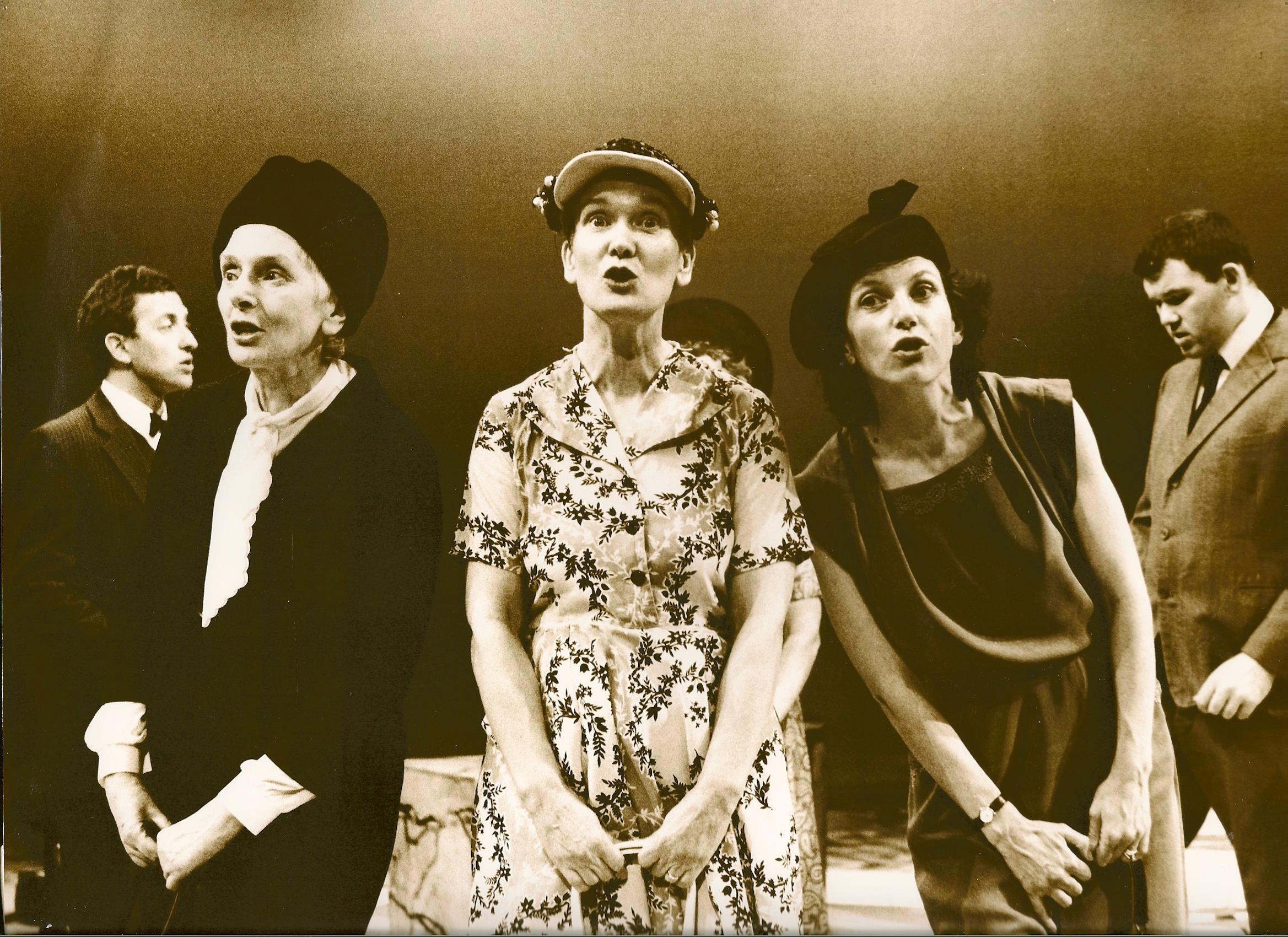
The range of subjects was considerable, but the essential approach remained unchanged. PlayBack was interested not simply in what had happened but in how events and changing circumstances were remembered by the people who experienced them.
A Valuable Archive
By the end of the decade, PlayBack had accumulated a substantial collection of oral history recordings and transcripts. In 2000, approximately 200 tapes and transcripts, together with photographs and other material, were donated to Gunnersbury Park Museum as part of a collaborative project celebrating the Millennium.
That year also saw a tenth-anniversary revival of Soapsud Island reworked by its author, Philip Sheahan, with additional material from the growing archive. After performances at The Questors, it toured community venues, concluding at Acton Age Concern, where former laundry workers were among the audience. Their recollections gave particular significance to the discussions following the performance
Reminiscence Roadshows, Football and Allotments
PlayBack's activities were expanding beyond full-length productions. The Reminiscence Roadshow, launched in 2001, developed shorter presentations on local themes for community organisations, a programme that continues today.
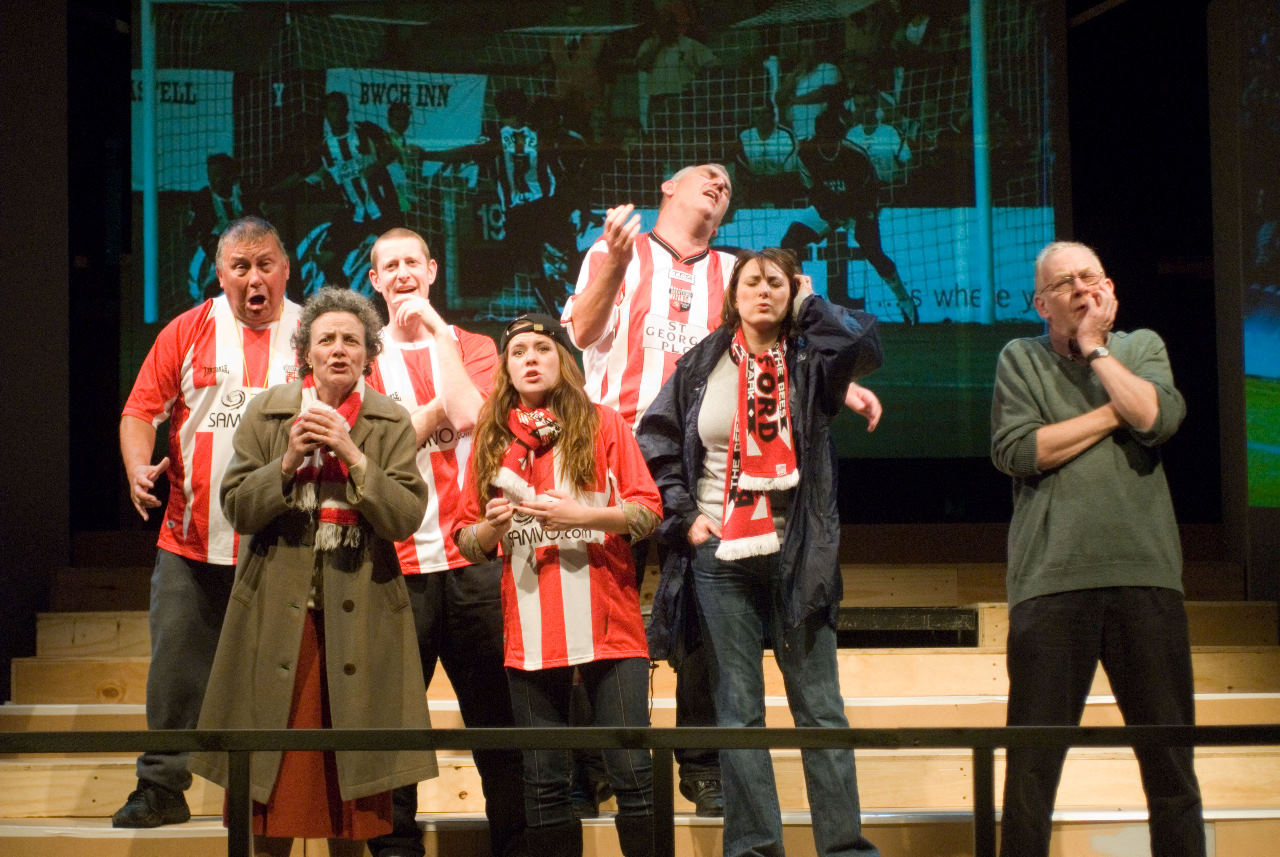
There were also two further plays. There'll Always Be a Brentford (2006), written by Duncan Alldridge, drew on supporters' memories of Brentford Football Club, using recordings originally collected by Gunnersbury Park Museum. A Little Patch of Ground (2011), by Andrew Whelan, turned to another aspect of local life: the allotments and the people who worked and enjoyed them.
Eight original plays had now been produced, together with the revival of Soapsud Island. Their subjects ranged from factories and schools to cinema, football and gardening, creating a theatrical record of local life through the voices of the people who remembered it.
HOME IS...
Another project, Home Is…, explored the experiences of people who had left their countries of birth to settle in West London. Beginning in 2019, PlayBack collected interviews with some thirty people, recording their journeys, the difficulties of adapting to a new country and their changing ideas of what it meant to belong.
On the Line
In 2026 PlayBack has returned to Brentford and to a significant event in the area's industrial history: the strike by women workers at the Trico Factory in 1976.
The women, demanding equal pay, continued their strike for five months, attracting national attention and achieving an important victory. Fifty years later, their experiences have become the subject of a new theatrical work based on interviews with those involved.
In May, PlayBack presented STRIKO, a documentary production written and directed by Tony Chapman, drawing directly on the testimony of the strikers. It was performed both at The Questors and on the site of the former Trico factory.
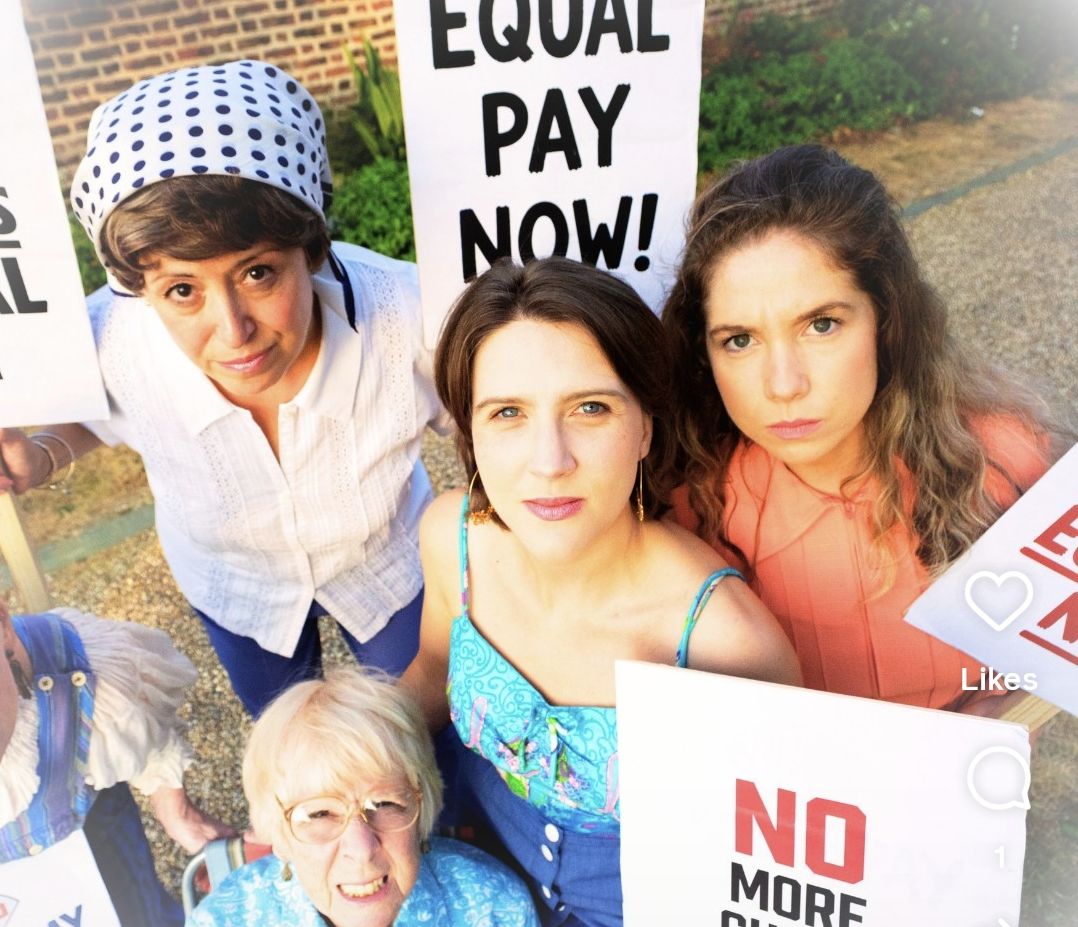
Now On the Line, written by Caitlyn Vary and Becky Hartnup, takes the story further. Using the same historical research and recorded memories, it explores the effect of the strike on a fictional married couple whose differing attitudes towards the dispute threaten their relationship.
It is a subject that brings PlayBack back to its original purpose: exploring wider social history through the personal experiences of local people.
And it is a reminder that the history of a community is preserved not only in documents and photographs, but in the voices of those who lived through it.
On the Line runs in the Questors Studio from 13 to 21 November 2026.
.John Dobson
November 2026