
QUESTORIES
A Play For Every Generation:
Romeo and Juliet at The Questors
When Romeo and Juliet returns to the Playhouse in October 2026 it will be the latest in a surprisingly varied series of Questors encounters with Shakespeare's star-crossed lovers. Over a span of eighty years our productions of the play have provided wartime entertainment, explored the generation gap, experimented with nightmares, celebrated Shakespeare's poetry and most recently played a part in a nationwide festival devoted to his works. Inevitably, each generation has found its own Romeo and Juliet.
Shakespeare in the Blackout
Our first encounter was not a complete production of the play but took place but under the extraordinary conditions of wartime Ealing.
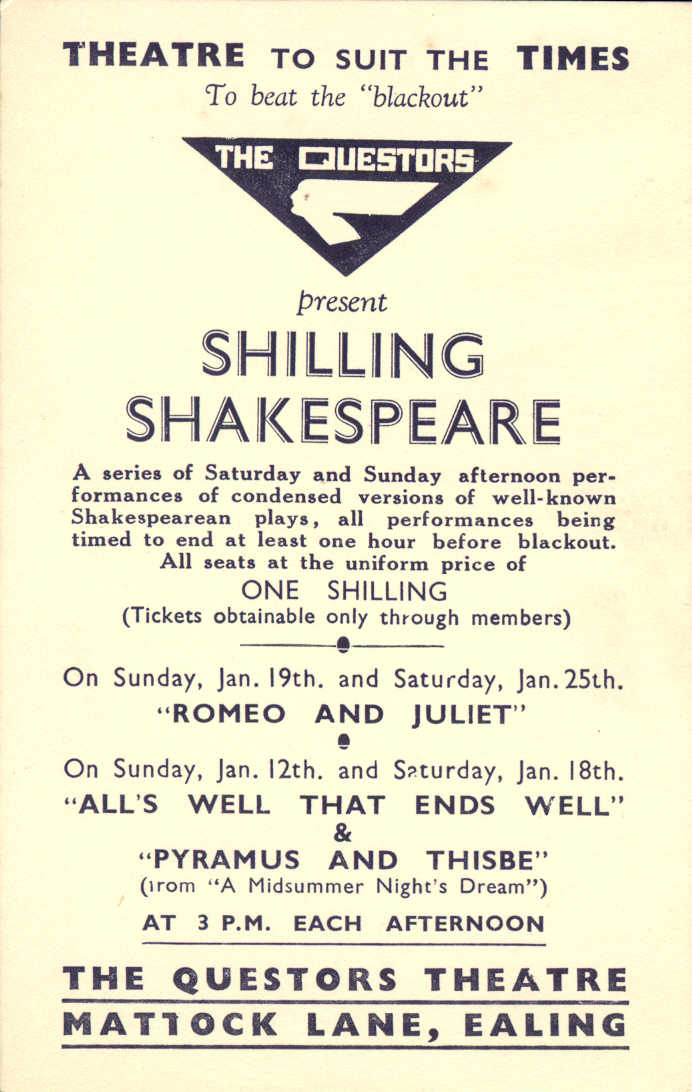
During the winter of 1940–41 the Blitz, blackout regulations and severe restrictions on transport made normal evening performances increasingly difficult. The Questors nevertheless remained determined to continue working. Bombs had fallen close to the theatre, damaging the building and cutting off gas and electricity, and rehearsals sometimes ended with members spending the night in the neighbouring cellar because an air-raid alert had stopped the transport home.
The answer in January 1941 was Shilling Shakespeare: hour-long programmes of Shakespeare extracts performed on Saturday and Sunday afternoons, timed to finish at least an hour before blackout and with every seat costing one shilling.
Among the plays represented was Romeo and Juliet, alongside extracts from All's Well That Ends Well and A Midsummer Night's Dream.
Alfred Emmet directed the programme and played the part of Romeo. Rehearsals took place during a bitter winter in a theatre heated by little more than a single domestic oil stove. As he later recalled, the cold was almost as formidable an enemy as the air raids.
The local critics were not entirely won over by the experiment. The drastic cutting of Shakespeare came in for criticism and Alfred's Romeo was judged distinctly chilly—in more senses than one. But viewed from the distance of eighty-five years, the quality of the acting seems rather less important than the simple fact that the production happened at all. At one of the darkest moments of the war, The Questors were still performing Shakespeare.
QUESTORS ARCHIVESSHILLING SHAKESPEARE
Youth Versus Age - 1968
It was another twenty-seven years before Romeo and Juliet received a full Questors production.
Alfred Emmet revisited the play in March 1968, this time as director rather than Romeo, with Richard Gaunt and Lorna Watson (Duval) as the young lovers.
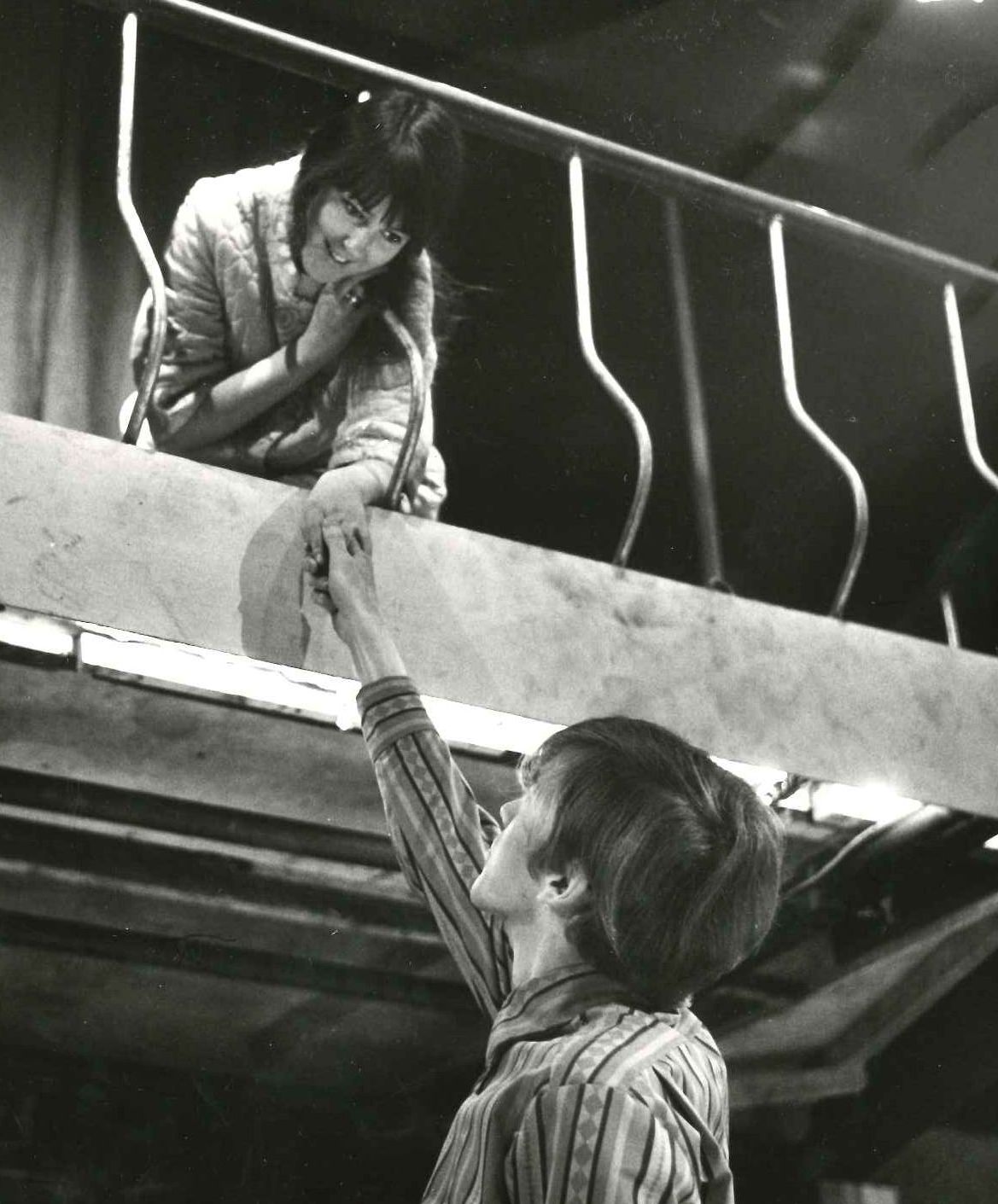
The production took as its starting point something very characteristic of the late 1960s: the gulf between the generations.
For Alfred, Romeo and Juliet were not simply unfortunate romantic lovers. They were two young people failed by the adults around them. Romeo's parents cannot get through to him; Friar Laurence, however well-intentioned, never quite understands the young lover he is trying to help. Juliet is treated by her father almost as property to be disposed of in marriage; her mother refuses her appeal for help and finally even the Nurse, her closest ally, deserts her.
“The old ones don't understand and don't want to know,” Alfred told Questopics.
Designer Jane Kingshill made that division visible. The younger characters wore Carnaby Street clothes while their elders took on a modified Renaissance look. David Pope's music attempted a similar mixture — “Pop with a tinge of Renaissance (or the other way round).”
Yet the production was not simply an exercise in updating Shakespeare. Alfred was equally concerned with the poetry. Shakespeare, he observed, had made Romeo and Juliet poets themselves: “Their love is a poem and they express it in poetry.”
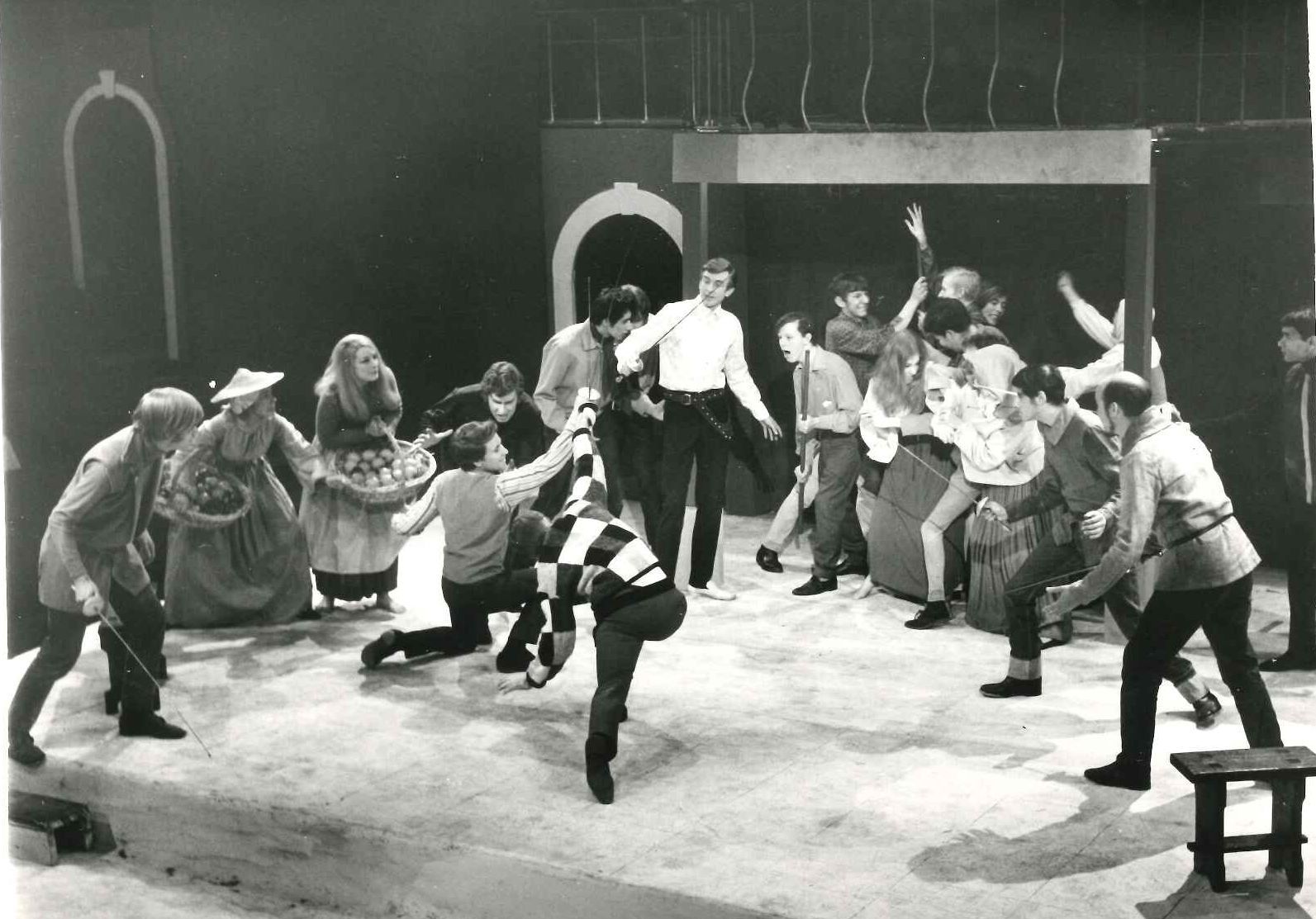
The staging also attempted to recover something of the play's extraordinary speed. Jane Kingshill created a thrust stage, with balconies and an inner playing area recalling the Elizabethan theatre, so that the action could move rapidly from scene to scene without elaborate changes of scenery.
The cast was large — around fifty — and included David Gower as Mercutio, Ruth Tremayne as the Nurse, Philip Wright as Friar Laurence and Derek Chandler as Paris.
It seems a very 1968 Romeo and Juliet: miniskirts, pop music and the generation gap — but underneath those contemporary trappings lay a serious attempt to understand why such a tragedy could happen.
QUESTORS ARCHIVESROMEO AND JULIET 1968
A Nightmare Fairy Tale - 1984
The next Questors production could hardly have been more different.
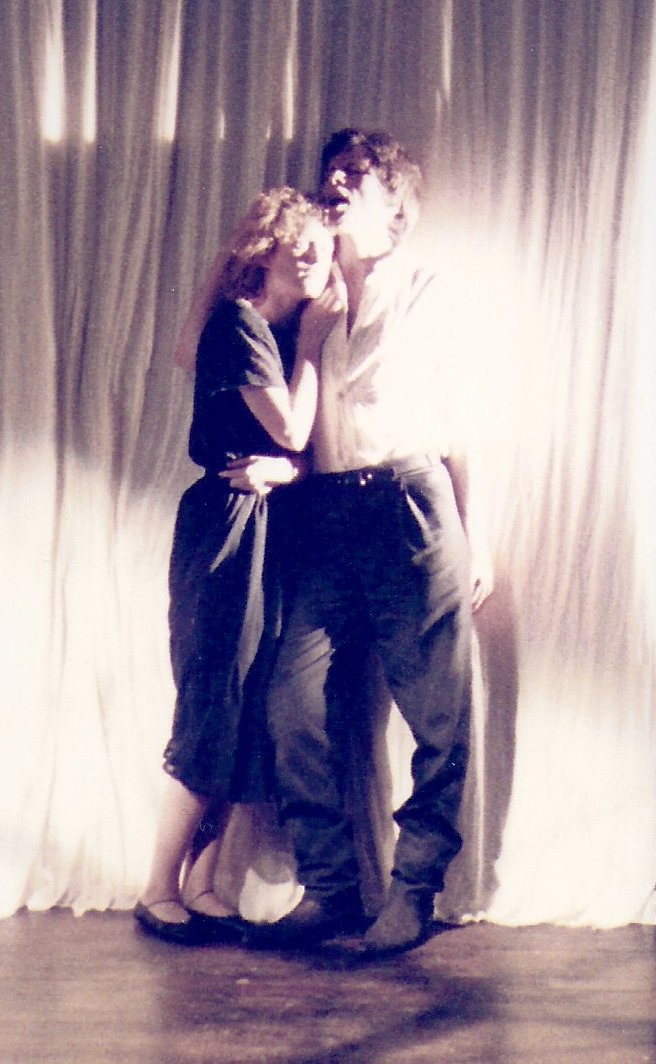
In July 1984 John Wilson directed and designed Romeo and Juliet in the Studio, with Robert Jones as Romeo and Sheri Graubert as Juliet.
The advance publicity described it as: “a nightmare fairy tale of passion” and the finished production appears to have taken that description very seriously.
John reduced his visual world almost entirely to black and white. Long strips of white muslin hung from ceiling to floor; death masks covered the rear wall; many of the actors appeared with painted faces. There were virtually no conventional properties and much of the action was mimed. Even the swords were imaginary.
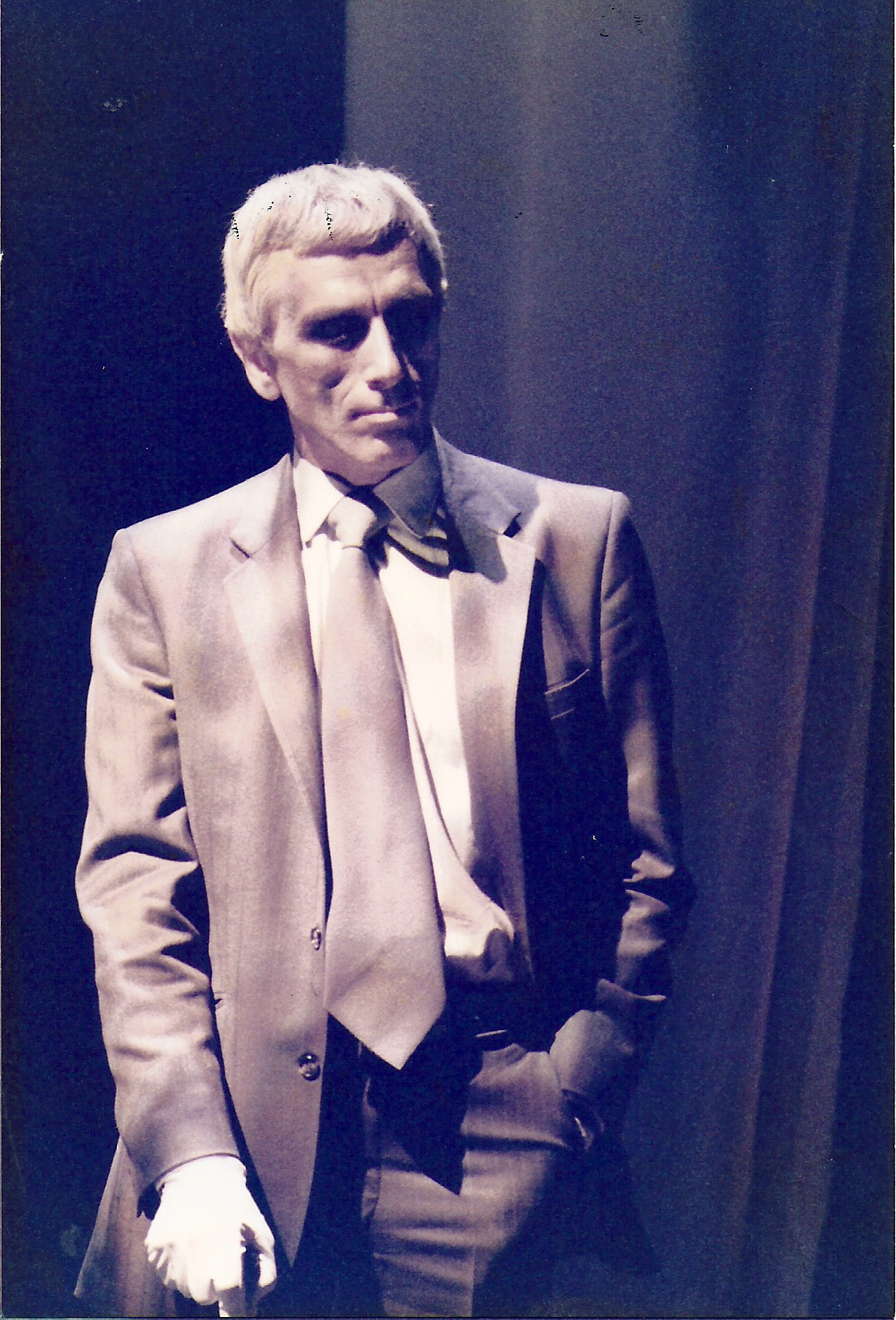
There was no balcony. There was no real bed. The lovers' bed was represented by a rectangle of white muslin on the wall, allowing the audience, in the intimacy of the Studio to, as it were, look down on them.
Most strikingly, John introduced a new figure: Destiny, played by Vic Pompini, combining elements of the Chorus, the Prince, Peter and the Apothecary into a personification of the fate hanging over the lovers.
The production certainly divided opinion.
A Questopics review by Ken Ratcliffe is a splendid reminder that adventurous productions have never necessarily enjoyed unanimous approval at The Questors. He regarded the evening as a triumph of directorial effects over Shakespeare's words, objecting particularly to modern costumes, mimed props and the additional character of Destiny. Mercutio, played by Phillip Clayton-Gore, was one of the few characters he felt successfully escaped the production's stylistic “straight-jacket”.
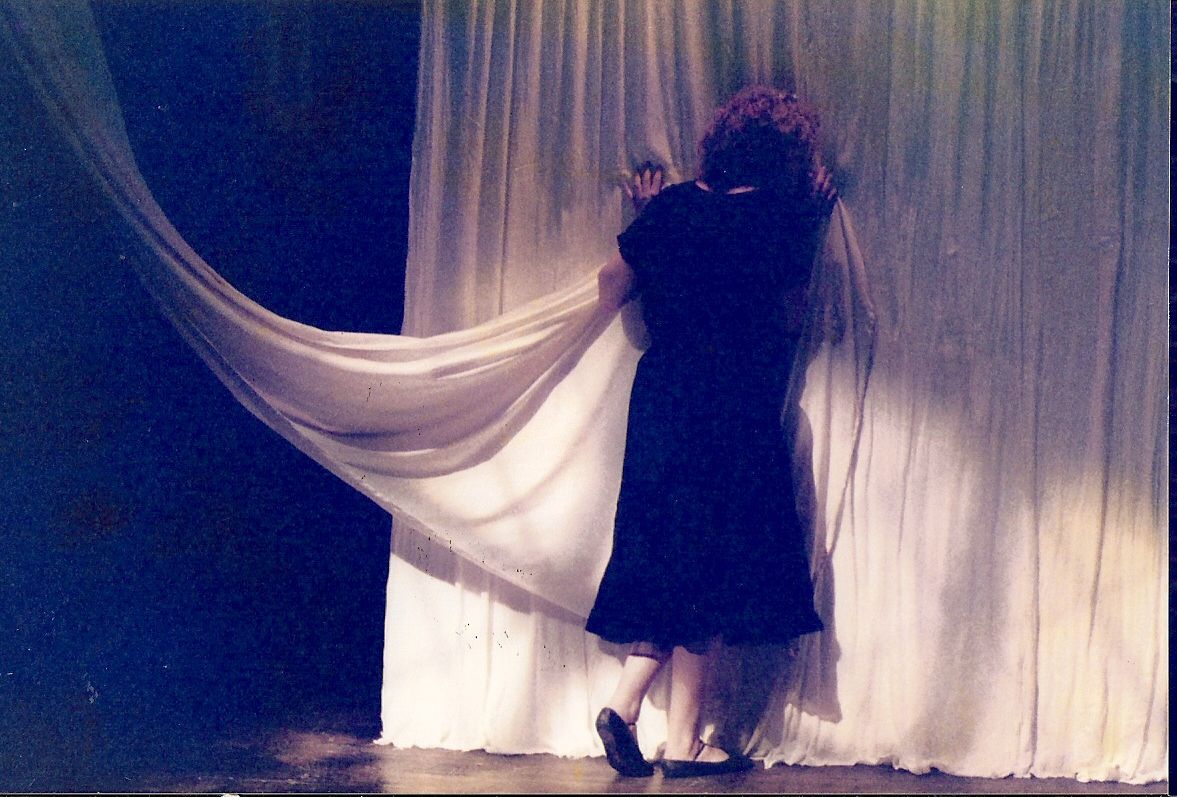
Whatever one's view of the result, it was clearly no dutiful revival of a classic. John Wilson had taken a very familiar play and attempted to make an entirely original piece of theatre from it.
And the argument it provoked is itself part of the history. Romeo and Juliet had become a play through which different ideas about Shakespeare — traditional and experimental — could collide.
QUESTORS ARCHIVESROMEO AND JULIET 1984
Four Hundred Years On - 1997
By 1997 there was another anniversary to celebrate.
Exactly four hundred years earlier, in 1597, the first printed edition of Romeo and Juliet had appeared, announcing on its title page “An Excellent conceited Tragedie of Romeo and Juliet”.
The Questors production marked that anniversary by returning attention to Shakespeare's text and to the remarkable network of oppositions within it.
The programme explored the contrasts that run continuously through the play: darkness and light, hatred and love, youth and age, life and death, duty and individual choice.
The opening Prologue tells us that the lovers are “star-crossed”, and the audience therefore knows their fate before they themselves have even appeared. Against that darkness Shakespeare repeatedly places images of light. Romeo first sees Juliet as illumination — the sun rising in the east — while the hatred surrounding the lovers throws their relationship into still sharper relief.
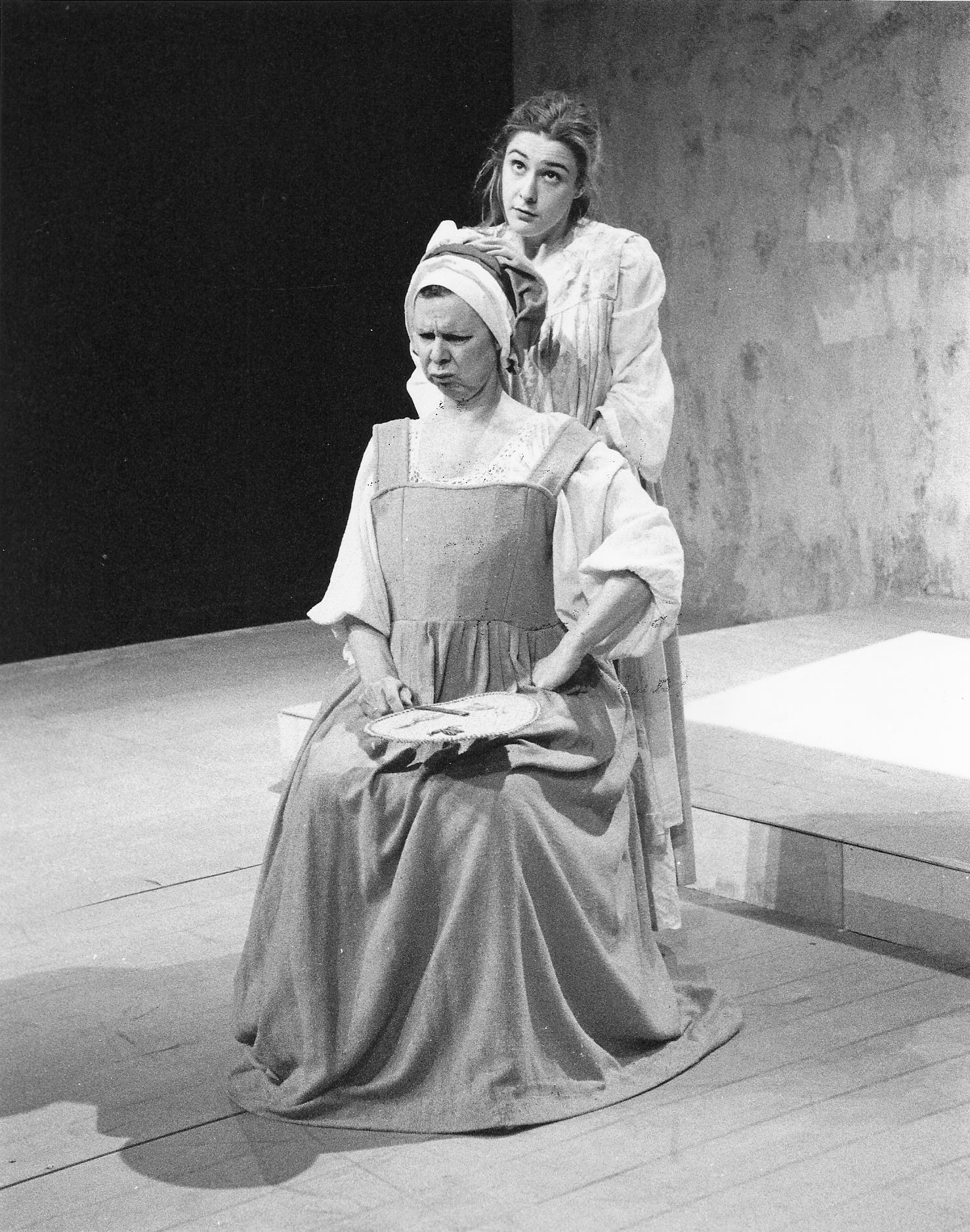
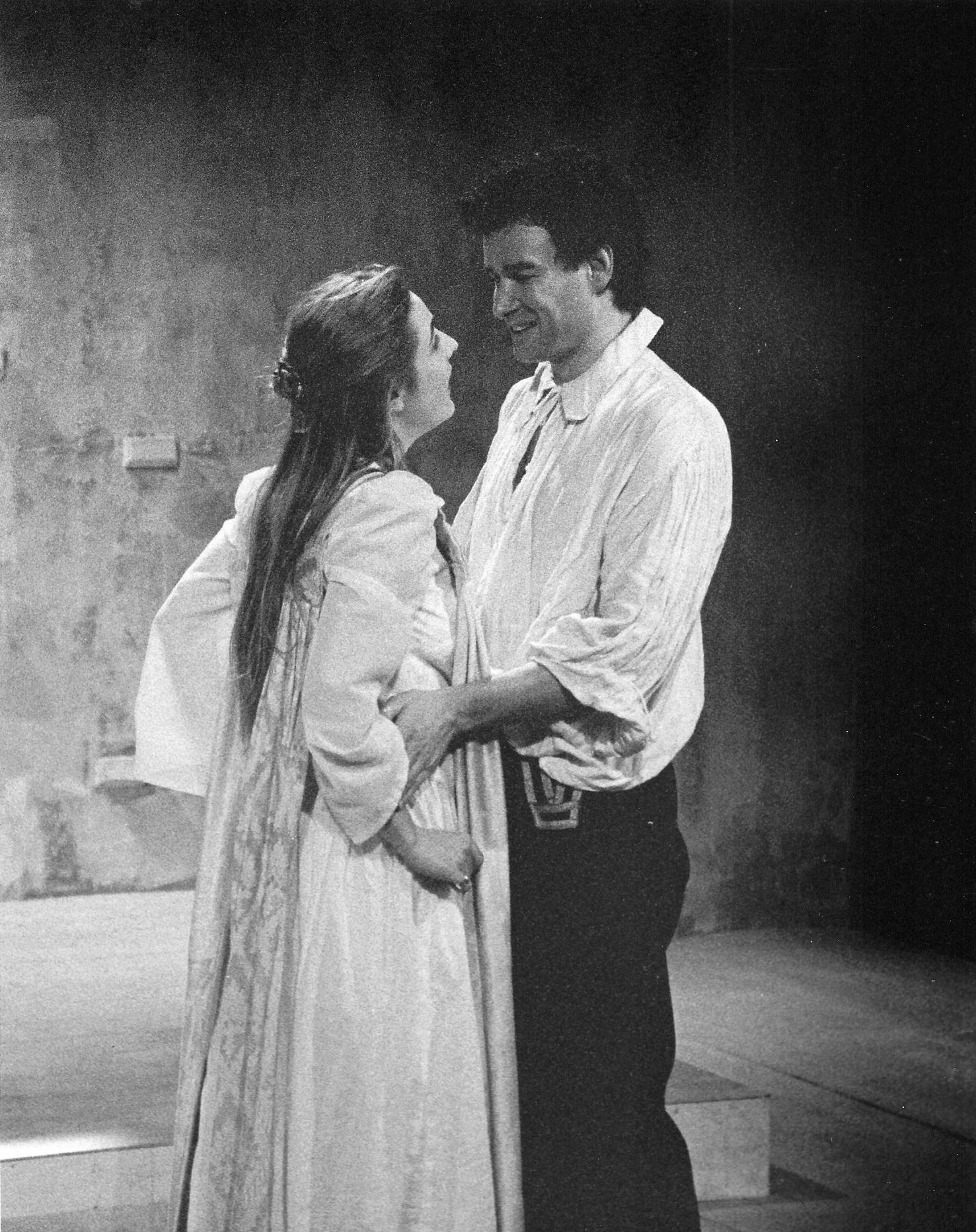
This production was directed by John Davey, assisted by Renata Nash, from an original production conception by Spencer Butler. Stephen Brown played Romeo and Lisa Milne Henderson Juliet, with Michael Dineen as Mercutio, Anne Neville as the Nurse and Norman Wilkinson as Friar Laurence.
This was a much more historically conscious approach than John Wilson's startling reinvention of 1984. The action was located firmly in sixteenth-century Verona and Mantua.
Yet the underlying question remained the same: how can love survive within a society organised around inherited hatred?
The answer, of course, is that it cannot — at least not soon enough. The lovers must die in order to bring reconciliation.
QUESTORS ARCHIVESROMEO AND JULIET 1997
A Shakespeare Company - 2012
Fifteen years later the play became part of a much larger project.
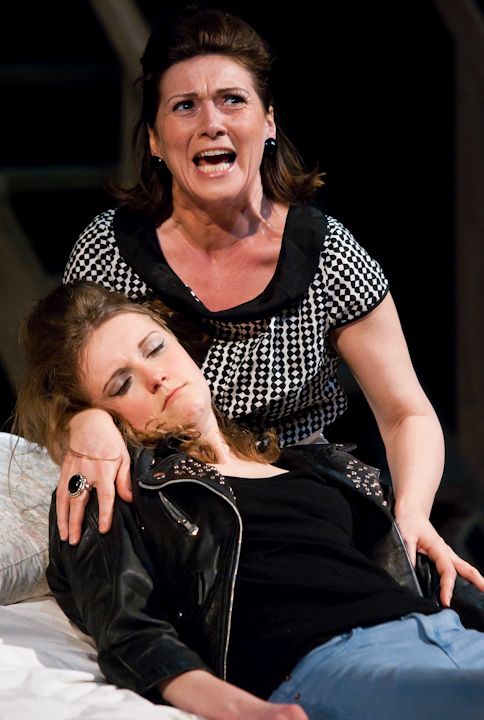
For the Big Shakespeare Season of 2012, The Questors created a Shakespeare company rather than assembling entirely separate casts for individual plays. Forty-five actors auditioned and twenty-three were chosen for an ensemble which would provide casts for Othello and Romeo and Juliet, with around ten actors appearing in both productions.
Mark Fitzgerald directed Othello while Zyg Staniaszek directed Romeo and Juliet.
The two productions shared the imposing Playhouse setting designed by Alex Marker, whose construction became something of an event in itself. The project occupied the workshops for months before being assembled on the Playhouse stage, with Colin Horne leading the construction team.
The season expanded beyond the two main productions. Coarse Shakespeare and a Youth Theatre production of The Tempest joined them, making Shakespeare the centre of activity throughout the theatre.
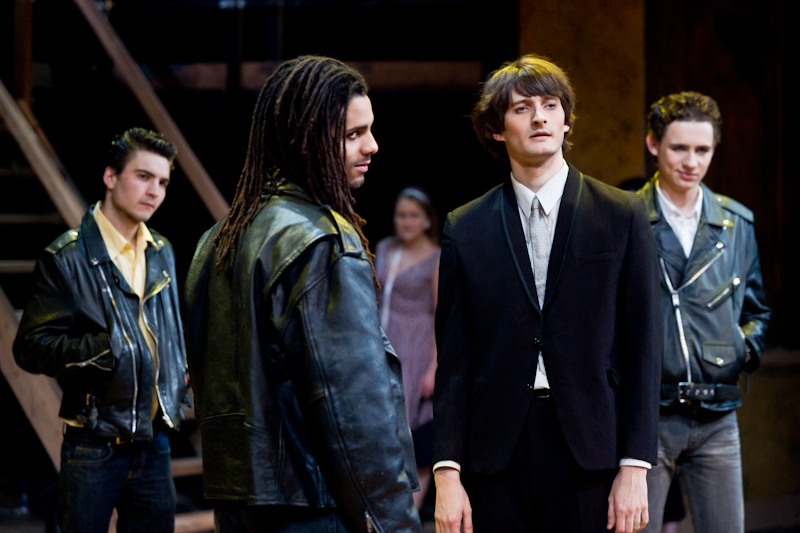
There is something particularly Questors-like about the scale of the enterprise. The 1941 company had reduced Shakespeare to an hour because wartime circumstances demanded it; seventy-one years later The Questors could devote a substantial part of a season, a dedicated ensemble of actors and a major Playhouse setting to the playwright.
“Much to do with hate, but more with love”
QUESTORS ARCHIVESROMEO AND JULIET 2012
And So To 2026
The latest production returns to one of Romeo's own descriptions of the world around him: “Here's much to do with hate, but more with love.”
It is tempting to think of Romeo and Juliet simply as the world's most famous love story. But previous Questors productions suggest why the play continues to invite reinterpretation.
In 1968 it became a play about parents who fail to understand their children. In 1984 it became a nightmare dominated by death and destiny. In 1997 the emphasis fell on Shakespeare's patterns of love and hate, darkness and light. In 2012 it became part of a celebration of Shakespeare himself.
The new production once again looks beyond the familiar balcony and the romantic legend. Its world contains violence, sex, revenge and hatred, but also the possibility that things need not have ended as they did.
That thought was already present in Alfred Emmet's production nearly sixty years ago. Writing about the play in 1968, he observed that accident repeatedly turns apparently trivial events into catastrophe. “The tragedy,” he wrote, “is that the tragedy could so easily have been prevented.”
Perhaps that is one reason Romeo and Juliet survives every change of fashion in its staging.The lovers themselves change very little. It is the world around them that finds new ways to abuse them.
John Dobson
September 2026